
Battery Buying Guide: Choose the Right Battery for Your Devices
An unresponsive remote, your child's favourite toy suddenly going silent, or a smoke detector beeping in the middle of the night: a dead battery always happens at the worst time. Faced with a wall of batteries in the store, making a choice can often be a real headache. Between marketing promises, a jungle of formats, and different technologies, it's easy to make the wrong choice. The result: disappointing performance and money down the drain.
As the Head of Product Recommendations at Joybuy, I'm here to help you see things more clearly. Let's forget the technical jargon and focus on what's essential: how to power your devices effectively, without breaking the bank. Here's a breakdown of the pitfalls to avoid and the best practices to adopt so you never make the wrong choice again.
The 3 Pitfalls to Avoid When Buying Batteries
- The "all-alkaline" trap: Versatile and affordable, alkaline batteries seem like a great deal, but they aren't a one-size-fits-all solution. In a high-drain device (like a camera or game controller), they'll run out in the blink of an eye, delivering disappointing performance. Conversely, putting a more expensive lithium battery in a simple wall clock is just throwing money away.
- Ignoring the expiry date: Buying a large bulk pack of batteries on sale seems like a bargain. But if their use-by date is approaching, you might end up with weak batteries just when you need them. A good battery should be able to be stored for several years without losing most of its charge.
- Underestimating the risk of leaks: A cheap, low-quality battery can leak corrosive fluid that can destroy your devices. This often-overlooked "detail" can end up costing you far more than the price of a pack of brand-name batteries.
Decoding the Specs: 3 Things to Check Before You Buy
To make an informed choice, there are three key points to check.
1. Technology: Alkaline, Lithium, or Rechargeable (NiMH)?
A battery's technology determines its performance, lifespan, and ideal use case.
- Alkaline Batteries: The default choice for low-drain devices (remotes, clocks, wireless mice). They offer excellent value for money for everyday use. AA batteries and AAA batteries are the most common types.
- Lithium Batteries: Lighter and much more powerful, they are unbeatable in high-drain devices (camera flashes, smart home gadgets) and hold up much better in extreme temperatures. Their shelf life is also exceptional.
- Rechargeable Batteries (NiMH): The smart, eco-friendly, and cost-effective choice for frequently used devices. Ideal for Xbox controller batteries, toys, or cordless phones. The initial investment in a charger quickly pays for itself.
2. The Format: No More Mix-Ups Between AA, AAA, 9V, and Coin Cells
This is the most obvious criterion, yet mistakes are common. The format is always indicated on the old battery or inside your device's battery compartment. The most common are:
- AA (LR6) and AAA (LR03): The famous "stick" batteries, the most common on the market.
- 9V (6LR61): The rectangular (often called "square") battery, typically used in smoke detectors or certain toys.
- Coin/Button Cells: Small and flat, they come in a multitude of references like the CR2032 battery, found in watches, car keys, or kitchen scales. Double-check the reference number (e.g., CR2032, LR44) before you check out.
3. Shelf Life and Capacity (mAh)
- Shelf Life: Indicated on the packaging, this tells you how long a battery can be stored before it starts to lose its charge. A shelf life of 5 to 10 years is a sign of quality, ensuring your spare batteries will be ready to go when you need them.
- Capacity (mAh): This is most relevant for rechargeable batteries. Measured in milliampere-hours (mAh), capacity indicates how much energy the battery can store. The higher the number, the longer the battery will last between charges.
Battery Picks for Every Need
To help you sort through the options, here is our selection for three distinct user profiles.
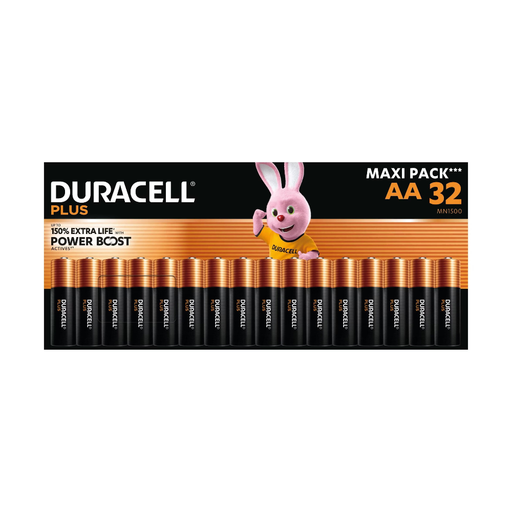
Duracell Plus AA Batteries (32-Pack)
Why it's the right choice: Perfect for families with a multitude of battery-powered devices (toys, remotes, clocks). This bulk pack of batteries is economical, and the 10-year shelf life ensures you're never caught off guard.
No more trips to the supermarket and no more finding dead batteries in the drawer. The alkaline technology is perfectly calibrated for low to moderate-drain devices, preventing waste.
Excellent value for the whole family; 10-year storage guarantee; plastic-free packaging.
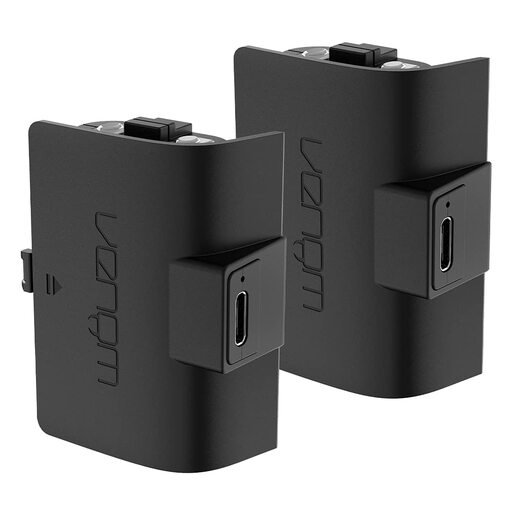
Venom Twin Rechargeable Battery Pack Kit
Why it's the right choice: Specifically designed for Xbox controllers, this kit puts an end to the financial drain of disposable batteries. It provides excellent battery life, perfect for long, uninterrupted gaming sessions.
This kit is the perfect solution for high-drain devices. Say goodbye to single-use batteries that drain your wallet. The ability to charge while you play guarantees seamless gaming.
Very economical all-in-one rechargeable solution (batteries + cable); compatible with Xbox Series X/S and Xbox One controllers.
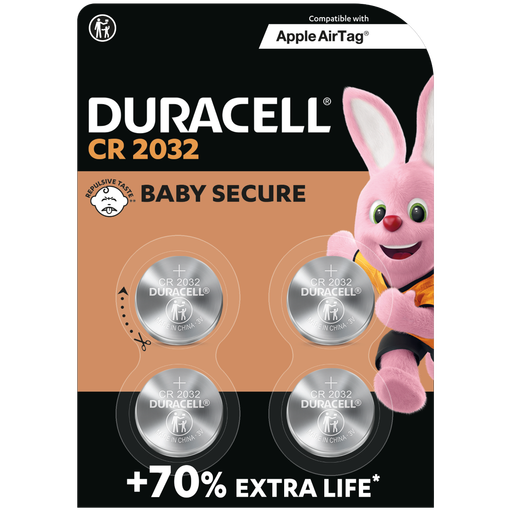
Duracell CR2032 3V Lithium Coin Batteries (4-Pack)
Why it's the right choice: Essential for small devices that demand reliable, long-lasting power: car keys, AirTags, kitchen scales, or medical devices. The lithium technology guarantees a stable voltage from start to finish.
This product eliminates the #1 risk with coin cells: leaks. A cheap, leaking battery can destroy a valuable device. Its child-safe packaging is also a major plus.
Lithium technology for long-lasting performance; child-safe packaging; anti-leak protection.
Need other options?
We have curated a complete selection of products that meet our quality criteria and current safety standards.
Frequently Asked Questions About Batteries
What's the difference between an alkaline and a lithium battery?
The main difference lies in their technology and intended use. Alkaline batteries are perfect for low-drain devices (remotes, clocks) due to their excellent value for money. Lithium batteries deliver a higher, more stable voltage, making them essential for high-drain devices (cameras, flashes) and more resistant to extreme temperatures. Their shelf life is also much longer.
Are rechargeable batteries a good option for all my devices?
For devices you use often (game controllers, toys, mice), rechargeable batteries are undoubtedly the smartest choice for both your wallet and the planet. However, be aware: for critical safety equipment like smoke detectors, it's best to use a very long-life alkaline or lithium battery. This is because a rechargeable battery can gradually lose its charge over time, even when not in use.
How should I store my batteries properly?
To preserve their energy for as long as possible, keep them in a cool, dry place away from direct light. Leave them in their original packaging to prevent the terminals from touching, which could create a short circuit and drain them prematurely. Finally, never mix new and used batteries.