
Buyer's Guide : The Best Privacy Screen in 2026 to Reclaim Your Privacy
Enjoying your balcony, terrace, or garden shielded from prying eyes is an essential comfort. Yet, with so many options available, finding the right one can quickly become a daunting task. This guide is here to help you clarify your options and choose the privacy screen perfectly suited to your needs, based on concrete criteria: materials, durability, and ease of installation.
As the Head of Product Selections at Joybuy, my role is to decode the market for you and guide you toward an informed choice, free from marketing jargon and empty promises.
How to Choose the Right Privacy Screen ?
Before diving into our selection, here are the three essential criteria to check to ensure you make the right choice.
1. Material and Weight: The Keys to Durability
The choice of material directly impacts the lifespan and look of your installation. There are two main categories:
- High-density polyethylene (HDPE): Highly valued for its resistance to UV rays, tears, and harsh weather. Its weave can vary in density.
- PVC or PVC/polyester blends (Textilene): Often heavier, this material offers a more modern look and excellent colour fastness over time.
A technical indicator you should never overlook is the grammage (expressed in g/m²). A high grammage (above 200 g/m²) is the hallmark of a more robust privacy fence screen and superior opacity.
2. Opacity Level and Wind Load
Total (100%) blockage is rarely a good idea, especially in windy regions. A completely opaque screen acts like a sail, putting enormous pressure on its fastenings and support structure. Models offering 85% to 95% opacity represent the best compromise: they effectively protect your privacy while allowing some airflow. This makes them perfect as a terrace windbreak or for a balcony. The type of weave (flat, round, etc.) also affects the degree of opacity and air circulation.
3. Fastening System: The Key to a Successful Installation
The simplicity and sturdiness of the installation depend entirely on the fastening system provided by the manufacturer:
- Grommets: These metal rings (brass or aluminium to prevent rust) are spaced along the edges. A close spacing (every 30 to 50 cm) is a sign of quality, as it ensures very even tension.
- Buttonholes: These are reinforced slits integrated directly into the weave. This is a discreet and very strong solution, ideal for fastening with staples or dedicated ties.
For a balcony privacy screen or a garden privacy net, make sure that fasteners are present on all four sides. This is an absolute must for a flawless hold.
Our Selection of the Best Privacy Screens in 2026
After analysing the market, here are the models that caught our attention for their performance and suitability for different uses.
Tenax Coimbra Dark Woven Privacy Screen 1.00x5m Anthracite Grey
Why it stands out: This model is all about density. Its flat monofilament weave is so compact that it guarantees near-total opacity and tear resistance far superior to standard nets. It's a solution designed for pure performance and longevity.
Pros:
- Total opacity for flawless privacy.
- High grammage, ensuring excellent resistance to tearing and wind.
- Understated and modern anthracite grey colour, easy to integrate.
- Integrated buttonholes on the edges for easy installation on a fence or gate.
- UV-treated to prevent colour fading.
Who is it for? Ideal for those seeking an outdoor privacy screen with no compromises on opacity and robustness. Perfect for securing a garden perimeter or shielding a very exposed terrace.
Tenax Texstyle Privé Privacy Screen 1.5x5m Steel Grey
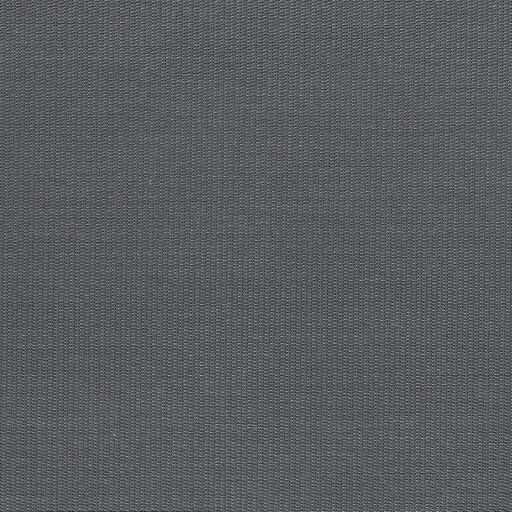
Why it stands out: Here, the focus is on aesthetics and quality finishing. Made from a blend of 70% PVC and 30% PET, this privacy screen features a textured appearance and a striking glossy steel grey colour. Its record-breaking weight of 580 g/m² and closely spaced grommets make it a product that is as beautiful as it is durable.
Pros:
- Elegant and modern finish with a very attractive glossy effect.
- Stainless steel grommets placed every 30 cm (top and bottom) for a rock-solid installation.
- Ultra-dense material (580 g/m²) guaranteeing exceptional resistance to wind and tears.
- Does not fray when cut, allowing for custom adjustments.
- UV-treated for excellent colour fastness over time.
Who is it for? Perfect for those who see a privacy screen as a decorative element in its own right. It will fit perfectly on balconies and terraces with contemporary architecture, where design is as important as function.
Tenax Bahia Woven Privacy Screen 1.50x10m Green
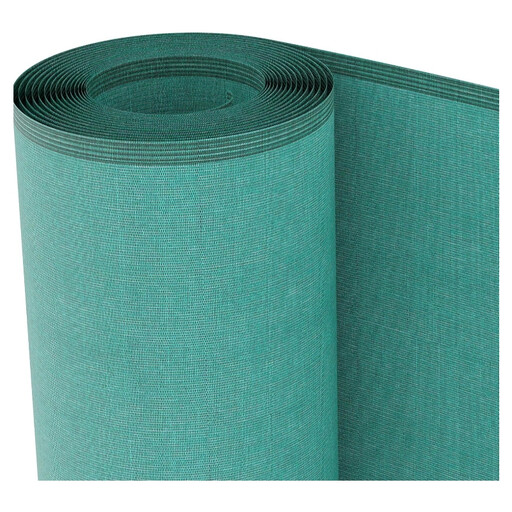
Why it stands out: Its versatility. Made from durable polyethylene, this woven net offers a 90% opacity rating, striking the perfect balance between privacy and airflow. Its anti-fray design and reinforced edges allow it to be adapted for multiple uses, from a classic garden privacy net to more technical applications.
Pros:
- 90% opacity rating, the ideal compromise for most situations.
- Thick mesh and reinforced edges for maximum durability.
- Versatile: can be used vertically (privacy screen) or horizontally (shade cloth).
- UV-treated and ladder-proof (does not fray).
- Large length (10 m) ideal for covering wide perimeters.
Who is it for? The practical and reliable solution for owners of large gardens or long fences. Its robustness and versatility make it an excellent choice for those looking for an all-in-one solution that combines visual protection and shade.
Looking for Other Options?
Our selection highlights specific models. If you want to explore other dimensions, different colours (like the very popular anthracite grey synthetic screening), or other materials, feel free to browse our full catalogue.
To discover a wider range, check out our dedicated category: Outdoor Canvas Shade Cloth.
Frequently Asked Questions About Privacy Screens
What is the difference between a privacy screen and a windbreak?
Although the terms are often used interchangeably, their primary purpose is not the same. A privacy screen, as the name suggests, is designed to block the view to preserve privacy (opacity). A windbreak, on the other hand, is specifically designed to break the force of the wind. That said, most high-quality products, with their dense yet air-permeable weave, perform both functions very well.
How do I properly install a privacy screen on a fence?
For a long-lasting installation, always use all the grommets or buttonholes. Attach the screen to your support (wire mesh, railing, etc.) with plastic zip ties, coated wire, or suitable staples. Stretch the screen taut, without distorting it, to prevent it from flapping in the wind and getting damaged. Remember that the strength of your support structure is just as crucial.
What colour should I choose for my privacy screen?
The choice of colour is primarily a matter of taste and how it integrates with your surroundings. Dark shades (anthracite grey, black, dark green) provide a better sense of privacy and show less dirt. Lighter colours (white, beige, light grey), on the other hand, add brightness and a feeling of space, but can be more susceptible to stains and pollution.