
Wooden Cutting Boards for Everyday Kitchen Prep
Choosing the right wooden cutting board might seem like a small detail, but it makes all the difference—both for your efficiency in the kitchen and the style of your countertop. Do you dream of a sturdy model for your everyday chopping that can also transform into an elegant wooden serving board for appetisers? Finding a balance between utility and style can be a real challenge.
Our editorial team spends its time breaking down trends and testing products that simplify daily life. This guide is designed to bring clarity, reviewing the criteria that truly matter and showcasing our favourite picks, perfect for everything from prepping a barbecue feast to arranging a stunning appetiser board.
How to Choose the Right Wooden Cutting Board?
Before diving into our selection, let's review the key points to help you make the right choice and find the model that perfectly suits your kitchen and your habits.
1. The Type of Wood: Bamboo, Oak, or Acacia?
The type of wood is the number one criterion: it determines the lifespan, maintenance, and, of course, the look of your board.
- Bamboo: Technically a grass, bamboo is very popular for its hardness and water resistance. A bamboo cutting board is less porous than other woods, which limits the absorption of juices and bacteria. It also has the advantage of being gentle on your knife edges, which is a significant plus.
- Oak: A classic, sturdy hardwood, oak is a staple in the kitchen. It offers excellent resistance to scratches and impacts. Its density makes it a prime choice for heavy-duty chopping. Its elegant grain also makes it a superb presentation board.
- Acacia: Prized for its warm colours and contrasting grain, acacia adds an undeniable decorative touch. It's a hard, naturally water-resistant wood, making it a smart choice for a stylish cutting board that does it all.
2. Size and Shape: What’s Its Purpose?
The size of your board should match the space you have available and what you cook most often.
- For daily vegetable prep or cutting small pieces of meat, a standard-sized board (around 40 x 25 cm) will do the job perfectly.
- If you cook for a large family or enjoy preparing large cuts of meat, a large cutting board will be much more comfortable.
- For serving, long, rectangular shapes are ideal for a charcuterie board or cheese platter, as they ensure an elegant and generous presentation.
3. The Details That Make a Difference: Juice Grooves and Maintenance
In daily use, certain design details truly make a difference. The presence of a juice groove around the edge is a major plus—even essential—for catching juices from meats or tomatoes and keeping your countertop spotless. As for maintenance, the golden rule is simple: never put it in the dishwasher. Hand washing followed by immediate drying and an occasional oiling (with a neutral vegetable oil) are the secrets to its longevity.
Our Wooden Cutting Board Picks
Here are three models that stand out for their materials, design, and versatility.
1. Le Marquier Bamboo Cutting Board 40x26 cm
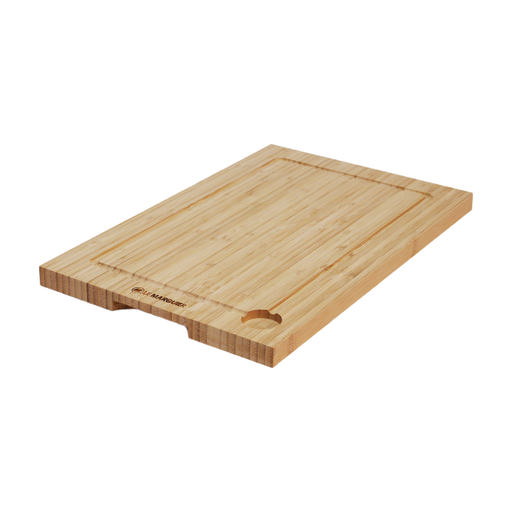
Why it stands out This bamboo model is all about efficiency. Its integrated juice groove makes it the perfect partner for preparations that generate a lot of liquid, like carving a roast chicken or slicing ripe tomatoes. Its generous size provides a comfortable workspace, ideal for those who cook on a plancha or barbecue.
Key features
- Material: Durable and resistant bamboo.
- Functionality: Integrated juice groove to collect liquids.
- Dimensions: A 40 x 26 cm surface suitable for multiple preparations.
Who is it for? For no-nonsense cooks looking for an ultra-functional and robust board for daily use, perfect for managing juicy meats and vegetables hassle-free.
2. Monarch Natural Oak Cutting Board
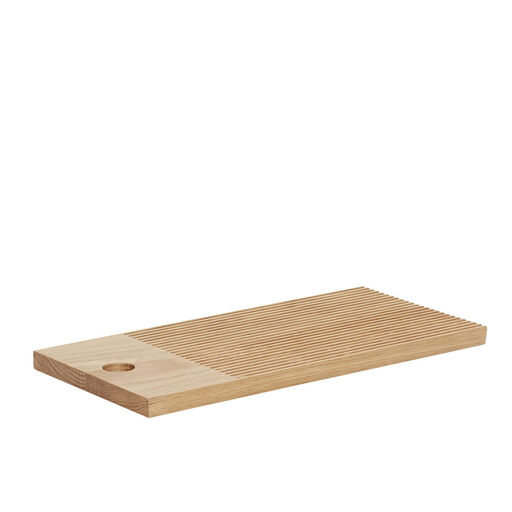
Why it stands out The Monarch board combines the timeless elegance of solid oak with a commitment to sustainability, thanks to its FSC certification. Its balanced dimensions make it equally suited for carving a roast and presenting a cheese platter. It's a beautiful object that belongs both in the kitchen and on the dining table.
Key features
- Material: FSC certified solid oak from sustainably managed forests.
- Versatility: As elegant for serving as it is sturdy for cutting.
- Design: A simple, natural aesthetic that will fit into any kitchen.
Who is it for? For those who value high-quality materials and product origin. It's ideal for anyone seeking a beautiful piece that can move from the stove to the table with natural elegance.
3. BJ?RN ELIN Large Acacia Cutting Board 55x18 cm
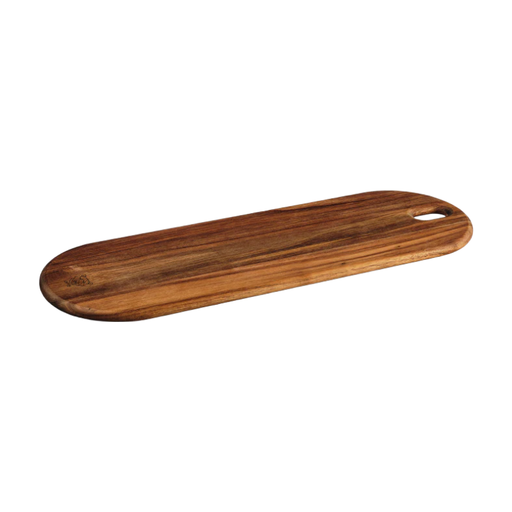
Why it stands out At 55 cm long, this acacia board is a true invitation to gather. It's the ultimate appetiser board, perfect for creating a spectacular charcuterie and cheese spread that is sure to impress. The acacia wood, with its rich tones, makes every piece unique.
Key features
- Generous size: 55 x 18 cm, perfect for large gatherings and buffets.
- Aesthetics: Premium acacia wood with a unique grain on every piece.
- Multiple uses: Ideal as a serving board, for bread, or as a presentation platter.
Who is it for? For hosts and tableware enthusiasts looking for a centrepiece for their gatherings. It's the choice for those who love to combine the practical with the beautiful in a stylish cutting board.
To Complete Your Table Setting
A beautiful wooden board is an excellent starting point for creating a warm and authentic atmosphere. If you appreciate the aesthetic of natural materials, why not extend it to the rest of your tableware?
For a coordinated and inviting table, discover our selection of wooden mugs.
Frequently Asked Questions
How do you maintain a wooden cutting board?
Maintenance is simple but crucial. After each use, wash your board by hand with warm water and a little mild soap. Dry it immediately with a cloth. Never let it soak in water and, most importantly, do not put it in the dishwasher. To nourish and protect it, apply a thin layer of mineral oil or another food-safe oil (like grapeseed oil) once a month.
Can you cut everything on a wooden board?
Yes, as long as you follow some basic hygiene rules. Although wood has naturally antibacterial properties, it's ideal to have two separate boards: one for raw foods (meat, fish) and another for ready-to-eat foods (vegetables, bread, cheese). If you only have one, wash it very thoroughly between each type of food.
What is the difference between a cutting board and a serving board?
A cutting board is primarily a tool, designed to withstand knife cuts. It is therefore generally thicker and made from a hardwood. A wooden serving board, like an appetiser board, is often thinner and focuses on its aesthetic appeal (original shape, spectacular wood grain). Many models, like those in our selection, are designed to be versatile and perform both functions brilliantly.