
Bose QuietComfort Ultra Headphones: Are They Worth the Splurge?
Navigating the jungle of high-end headphones is a real headache. Spec sheets are overflowing with promises, but how can you tell true innovation from marketing jargon? Before setting your sights on a model like the Bose QuietComfort Ultra headphones, it's best to know the pitfalls to avoid to make a choice that truly meets your expectations.
As an audio expert for the Joybuy editorial team, my job is to decode this jargon and give you clear, practical advice. Here are the key things to check before you pull out your credit card.
The 3 Pitfalls to Avoid When Buying Noise-Cancelling Headphones
- The promise of perfect isolation: Don't be fooled by the numbers. Many manufacturers tout noise reduction measurements (in decibels) obtained in a lab. In the real world, headphones might be great at filtering out low frequencies (aeroplane engines, the rumble of a train) but prove disappointing against voices or the high-pitched sounds of an open-plan office or a busy café.
- Comfort that doesn't last: A pair of headphones can feel cosy for the first five minutes in the store, only to reveal its flaws after an hour. Excessive pressure on the temples, earcups that get too warm, or a poorly designed headband can turn a long listening session into sheer torture. This is a deal-breaker for commuters and professionals who wear them all day.
- Spatial audio: a gimmick?: Often marketed as a revolution, spatial audio can sometimes amount to little more than a reverb effect that distorts the music. A good implementation should create a wide, stable soundstage that smoothly tracks your head movements. Otherwise, the promised immersion quickly becomes just a distraction.
The Technical Specs That Make a Difference
To avoid these disappointments, focus on a few key parameters that define the true quality of a pair of headphones.
1. The Type of Active Noise Cancellation (ANC)
Not all Active Noise Cancellation (ANC) technologies are created equal. The most effective systems use a hybrid approach:?
- External microphones (Feed-forward): These capture ambient noise before it reaches your ears.
- Internal microphones (Feed-back): These detect any residual sounds that may have slipped through and correct them.
This dual analysis allows for more precise noise cancellation over a wider range of frequencies, which is particularly effective against variable sounds like conversations.
2. Ergonomics and the Over-Ear Design
The comfort of over-ear headphones is a long-term investment. The over-ear design (which completely encloses the ear) is generally preferable for passive isolation and comfort. Check the following points:?
- Materials: Memory foam earcups covered in soft protein leather offer a good balance of comfort and durability.
- Weight: Headphones weighing around 250g are often considered lightweight and suitable for extended wear. Above 350g, the weight can become noticeable on your neck.
- Clamping force: The headband should distribute pressure evenly without excessively squeezing your temples or ears.
3. Connectivity: The Magic of Multipoint Bluetooth
For anyone juggling between their computer and smartphone, multipoint Bluetooth isn't a luxury; it's a game-changing feature. It allows you to connect the headphones to two devices simultaneously. This means you can listen to music on your computer and automatically switch to your phone to take a call, without having to manually disconnect and reconnect.
Headphone Picks for Every Listener
Rather than searching for THE absolute best headphones, the key is to find the pair that fits your use case. Here is our selection for different profiles.
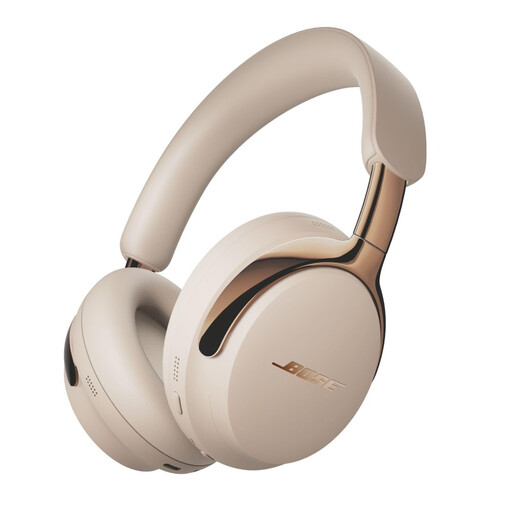
Bose QuietComfort Ultra Headphones (2nd Gen)
Why it's for you: Ideal for those who demand the best possible sound isolation on the go and total immersion. Its comfort has been specifically designed for long-haul flights and listening marathons.
Its noise cancellation, renowned for its real-world effectiveness, does not disappoint. Bose Immersive Audio technology delivers natural spatialised sound, while its premium design ensures lasting comfort without a vice-like grip.
CustomTune technology, which calibrates the sound to the shape of your ears. The spatial audio is just as well-designed for music as it is for movies (Cinema mode).
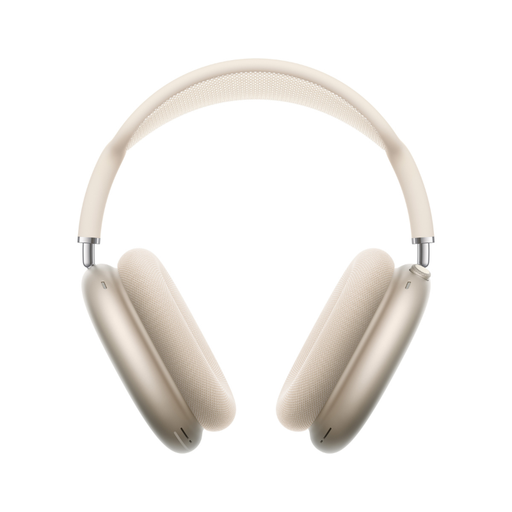
Apple AirPods Max 2
Why it's for you: Perfect for the loyal Apple ecosystem user who wants seamless integration between their iPhone, iPad, and Mac. The build quality and design are major selling points here.
Its Spatial Audio with dynamic head tracking is perfectly integrated into the Apple universe, offering a stunning experience. Comfort is also top-notch, thanks to a breathable mesh headband and earcups that ideally distribute pressure.
The seamless and automatic switching between Apple devices. Hi-Fi audio quality powered by the Apple H2 chip and Adaptive Audio.
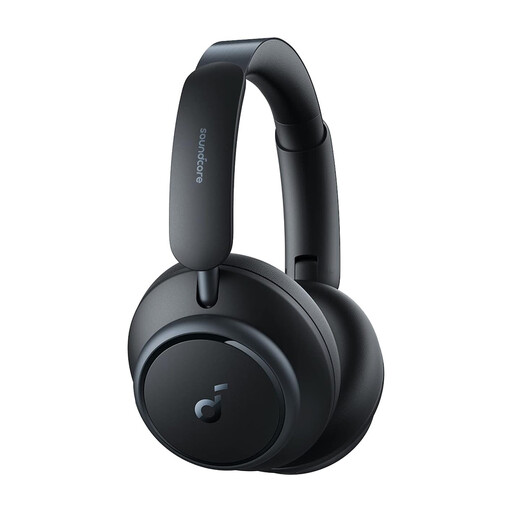
Soundcore by Anker Space One Pro
Why it's for you: Designed for those who need massive battery life to get through back-to-back workdays and commutes, without compromising on sound or practicality (foldable design).
It focuses on the practical essentials: monster battery life (up to 60 hours with ANC off), fast charging, and a foldable design. Its adaptive ANC adjusts to your environment in real time.
Its record-breaking battery life and fast charging (5 minutes for 8 hours of listening). Compatibility with the LDAC codec for high-resolution wireless audio.
Looking for other options?
We have selected other models for you that meet our standards for quality and performance.
Frequently Asked Questions About Noise-Cancelling Headphones
How does multipoint Bluetooth work?
To activate multipoint mode, you generally just need to pair your headphones with your two devices (e.g., a laptop and then a smartphone) one after the other via their respective Bluetooth menus. Once both connections are established, the headphones will intelligently switch between sources. For example, if you're listening to music on your computer and receive a call on your phone, the music will pause and the headphones will switch to the call.
Is spatial audio really useful for everyday use?
Its usefulness depends on your habits. For watching compatible movies or series (e.g., with Dolby Atmos), it can offer a highly immersive cinematic experience. For music, the results can vary: some mixes are enhanced, while others can sound artificial. It's best to choose headphones that let you easily enable or disable this feature depending on the content.
What is the real-world battery life of ANC headphones?
The battery life advertised by manufacturers is often measured at a moderate listening volume (around 50%) with standard codecs. Activating Active Noise Cancellation (ANC) typically reduces battery life by 20-30%. Using high-resolution audio codecs like LDAC or enabling spatial audio can also consume more power. For a realistic estimate, expect to get about 75-80% of the maximum advertised battery life if you are a heavy user of these features.