
CPU Cooling Guide: How to Keep Your Processor Cool and Perform Well
An overheating processor can turn your entire gaming or video editing session into a nightmare, causing slowdowns, framerate drops, and dwindling performance. Choosing a good CPU cooler is therefore a crucial step, whether you're building a new PC or looking to perform a PC cooling upgrade. But between traditional air coolers and water cooling kits, it's easy to get lost.
This guide is here to help you understand the key criteria and choose the ideal solution to maintain your CPU's temperature, ensuring stability and long-lasting performance.
How to Choose the Right Cooler for Your Processor?
Before you take the plunge, there are three criteria to consider to make the right choice.
1. Air Cooling (Air Cooler) or Liquid Cooling (Watercooling)?
The choice often comes down to budget, expected performance, and, of course, the aesthetic you're aiming for with your build.
- The Air Cooler: This is the classic solution. A heatsink, one or more fans, and you're all set. A high-performance CPU air cooler is a safe bet: reliable, durable, and often more affordable. It's simpler to install and eliminates any risk of leaks. This is the sensible choice for the majority of builds, including for gaming.
- The AIO (All-In-One) Water Cooler: Here, a closed-loop liquid transports heat from the processor to a radiator. A 360mm AIO water cooler, for example, offers far superior dissipation power. It's the ideal solution for the most power-hungry processors, overclocking, and extreme builds. Its other advantage: a more spectacular look and a cleaner case interior.
2. Compatibility: Socket and Case
Be careful, compatibility is twofold: the cooler must match both your processor's socket and your case's dimensions.
- Processor Socket: Ensure the chosen model is compatible with your motherboard's socket (e.g., Intel LGA 1700 or AMD AM5). Most recent products come with mounting kits for the most popular sockets.
- Case Dimensions: For an air cooler, check that its height won't prevent it from fitting inside your tower. For an AIO water cooler, verify that your case has the necessary mounting points for the radiator (e.g., a 360mm spot on the front or top).
3. The Trade-off Between Performance and Silence
Achieving silent PC cooling is the holy grail for many builders. The problem is that performance often means higher fan speeds, and therefore, more noise. The solution? Opt for models equipped with PWM (Pulse Width Modulation) fans. They allow the motherboard to regulate their speed in real-time based on the CPU's temperature. The result: near-total silence at idle and a powerful blast only when needed.
Recommended Cooling Solutions
Here are a few models that caught our eye, for different uses and budgets.
XPG LEVANTE II 360: Liquid Cooling for Demanding Builds
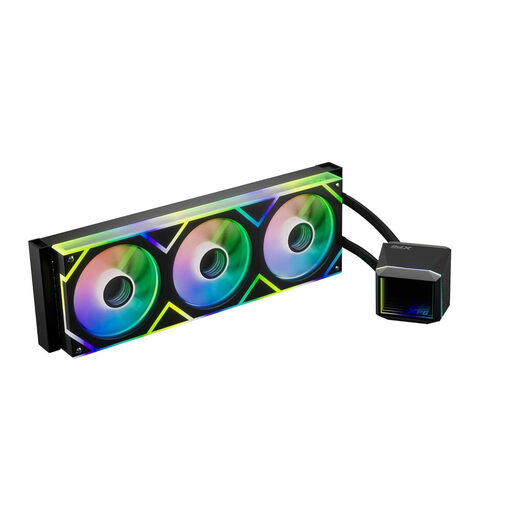
Why it stands out: The XPG LEVANTE II 360 is a liquid cooling system engineered to tame the most powerful processors. Capable of handling a TDP (Thermal Design Power) of up to 340W according to the manufacturer, it's the perfect partner for overclocking setups and latest-generation CPUs. Its infinity mirror pump design, with customisable RGB lighting, brings a unique aesthetic touch to any build.
Pros:
- 360mm radiator for maximum thermal dissipation.
- Fluid Dynamic Bearing fans for excellent airflow and low noise.
- Wide compatibility with recent sockets, including Intel LGA and AMD AM5.
- Sleek design with a stunning infinity mirror pump.
Who is it for?: Gamers, content creators, and hardware enthusiasts with high-end processors who demand cutting-edge cooling and a stunning look.
XPG MAESTRO PLUS: The Efficiency of Air Cooling
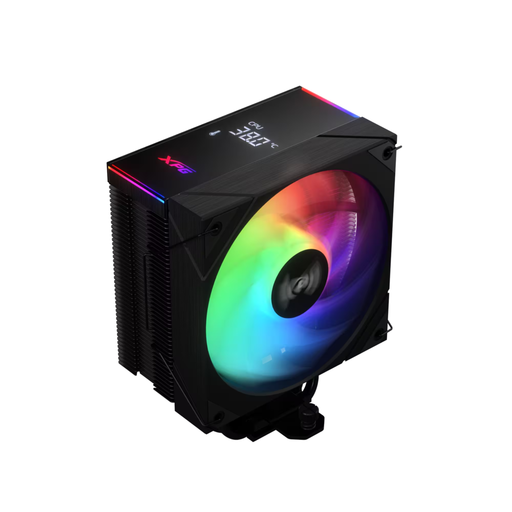
Why it stands out: The XPG MAESTRO PLUS is a high-performance CPU air cooler that focuses on reliability and silence. It's an excellent alternative to watercooling for those who prefer the simplicity and robustness of air cooling. Its optimised design, with its heat pipes and aluminium fins, ensures efficient heat transfer to keep the processor at a good temperature, even under full load.
Pros:
- Particularly quiet, making it perfect for both gaming and work.
- Excellent thermal dissipation thanks to its optimised heat pipes.
- Universal compatibility with major Intel and AMD sockets.
- Robust construction for rock-solid reliability.
Who is it for?: Users looking for an effective, quiet, and easy-to-install cooling solution for a PC cooling upgrade or a new machine, without the added complexity of a liquid system.
XPG HURRICANE MAG 120: Optimising Airflow and Style
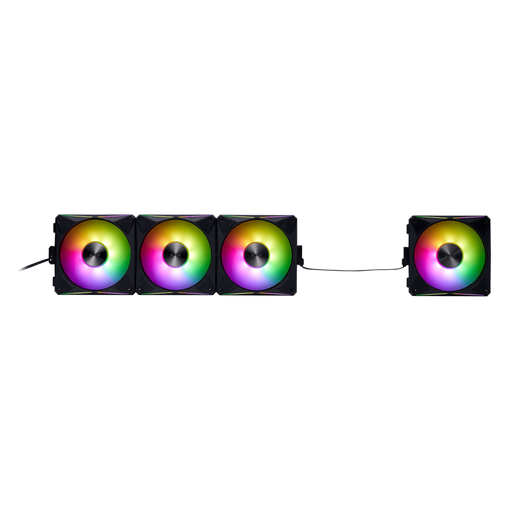
Why it stands out: This isn't a CPU cooler, but a case fan that can make all the difference. The XPG HURRICANE MAG 120 is the ideal complement to any cooling system. Its secret weapon? A magnetic daisy-chain connection system. This innovation revolutionises cable management: you can connect multiple fans together with a minimum of wires. The result: a flawless build and optimised airflow.
Pros:
- Magnetic connection system for ultra-simplified cable management.
- Customisable ARGB lighting for a unique, synchronised style.
- Speed control (PWM) for a perfect balance between performance and silence.
- High static pressure, making it just as effective on a radiator as on an air cooler.
Who is it for?: PC building enthusiasts who are aiming for pristine cable management, a custom ARGB aesthetic, and optimised airflow within their tower.
Looking for Other Gear?
Your setup is ready to tackle the most intense tasks. For a completely different kind of comfort, take a look at our other selections, like our range of shoes.
Discover our selection of men's casual winter shoes
Frequently Asked Questions About CPU Cooling
What is the main difference between an air cooler and an AIO water cooler?
The fundamental difference lies in the heat dissipation method. An air cooler uses air to cool a heatsink in direct contact with the processor. An AIO water cooler, on the other hand, uses a liquid to transport heat to a radiator, where fans take over. Generally, water cooling offers better cooling performance, while an air cooler shines with its simplicity and reliability.
How do I check a cooler's compatibility with my motherboard and case?
Start by checking the technical specifications of the cooler and your motherboard for socket compatibility (e.g., AM5, LGA1700). Then, check the dimensions. For an air cooler, make sure the maximum height allowed by your case is sufficient. For a water cooler, verify that the case has the necessary mounting points for the radiator (e.g., 240mm, 360mm).
Does ARGB lighting affect cooling performance?
No, ARGB (Addressable RGB) lighting is purely aesthetic. The LEDs consume a negligible amount of power and generate no heat that could affect the cooling system's performance. Their sole purpose is to allow you to customise and enhance the look of your machine.