
Buying Fragrant Jasmine Rice in Bulk: How to Choose the Right Sack for Your Kitchen
Buying fragrant jasmine rice in bulk can reduce the cost per portion, provided you choose a size suited to your consumption. For a large family, an Asian restaurant, a caterer or a grocery shop, the sack size, rice texture and country of origin will have a direct impact on the result on the plate.
Packaging may sometimes display terms such as “AAA”, “premium”, “new harvest” or “Hom Mali”. These claims do not replace carefully reading the product information. Before ordering, check the variety, country of origin, net weight, storage conditions and best-before date shown on the packaging.
Common pitfalls when buying in bulk
Confusing jasmine rice, long-grain rice and sushi rice
Thai jasmine rice and Thai fragrant rice are sought after for their floral aroma and tender texture after cooking. Cambodian fragrant rice also offers a naturally pronounced aroma, with long grains that remain relatively well separated.
Sushi rice, on the other hand, is generally made up of short or medium grains that become stickier when cooked. It is perfect for maki, nigiri, onigiri and Japanese rice bowls, but does not necessarily replace jasmine rice in a curry or stir-fry. Basmati rice, meanwhile, produces longer, more separate grains with a different aromatic profile.
Paying for a large sack without calculating the true cost
A 10 kg, 18 kg or 20 kg sack may seem particularly good value. To find out whether it really is, compare the price per kilogram, add any delivery charges and consider how quickly you use it. A household that rarely cooks rice may end up keeping the sack open for too long. For a restaurant or caterer, the larger size becomes much more worthwhile when stock is used quickly.
Neglecting storage after opening
Moisture, heat and pests can quickly affect the quality of rice. Set aside a clean, dry place at room temperature, away from direct sunlight. Once the sack is open, seal it carefully or transfer the contents to an airtight container. With an 18 kg or 20 kg sack, this precaution is far from insignificant.
What to check before ordering
1. Variety and culinary use
For curries, stir-fries, grilled meats and everyday meals, look for jasmine rice or another Asian long-grain rice. For maki and Japanese rice bowls, choose sushi rice or a medium-grain variety instead. White long-grain rice remains a reliable choice for steaming, side dishes and large-batch cooking.
The term Hom Mali rice appears on some Thai products. Even so, take the time to check the composition and origin stated on the product page or packet: a commercial designation alone is not enough to guarantee the texture achieved after cooking.
2. Choosing the right weight for your consumption
- 5 kg: a practical size for a household, small caterer or first order.
- 10 kg: a good compromise for a large family or a kitchen that serves rice regularly.
- 18 kg to 20 kg: a quantity intended for restaurants, institutions, shops and heavy users.
To compare offers accurately, divide the total price by the net weight. Also consider the space available in your storage area and estimate how long it will take to use up the sack.
3. Labelling and regulatory information
At a minimum, the product page should specify the product name, net quantity, ingredients list, origin where stated, storage conditions and best-before date. For a product made from 100 % fragrant rice, this information should be clearly visible in the description or on the packaging.
Nutritional values may vary according to the variety and presentation. They are generally provided per 100 g of rice, often before cooking. They therefore cannot be compared directly with those of a cooked portion without taking the absorbed water into account.
Our selection for different needs
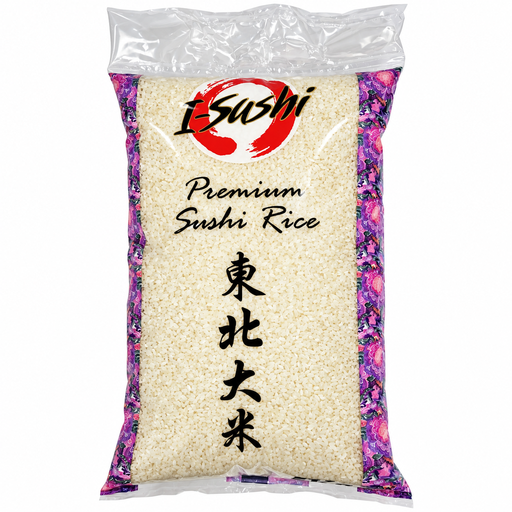
WEI LIANG MEDIUM GRAIN RICE 5KG
Why this product suits this profile : At 5 kg, this sack lets you discover Asian rice without taking up too much storage space. Its tender, slightly sticky texture is suitable for rice bowls, sushi and everyday meals.
The practical size reduces the risk of prolonged storage, while the medium-grain variety is clearly distinguished from long-grain jasmine rice.
5 kg sack, medium-grain rice, 100 % composition clearly stated, suitable for sushi and everyday meals.
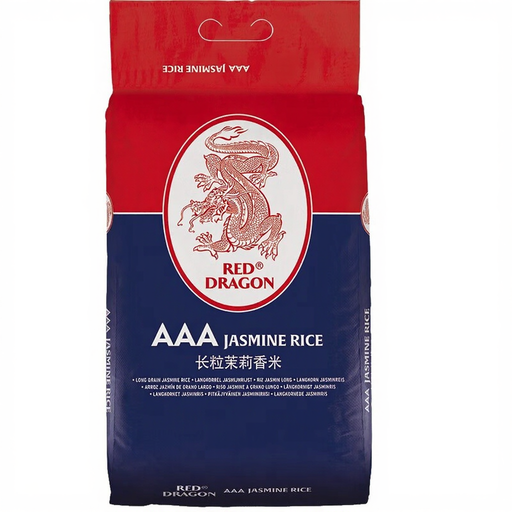
Red Dragon Cambodian Aroma Aaa Long Grain Rice 10 KG
Why this product suits this profile : This 10 kg sack of Cambodian fragrant rice is aimed at those looking for a natural aroma and long grains to accompany more elaborate dishes.
The Cambodian origin, weight and long-grain variety are clearly stated. This tells you what you are buying, beyond the AAA designation alone.
Long-grain rice, Cambodian origin stated, natural aroma highlighted and 10 kg sack.
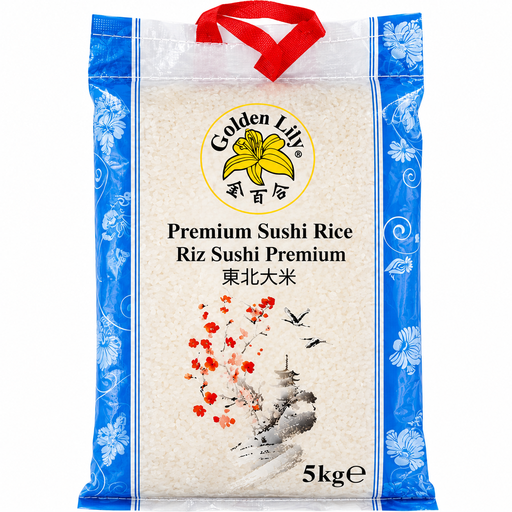
GOLDEN LILY PREMIUM SUSHI RICE 5KG
Why this product suits this profile : Its slightly sticky texture is designed for maki, nigiri, onigiri and donburi. At 5 kg, it is suitable for a family or small catering business.
Its short-grain variety is intended for Japanese dishes. It prevents you from choosing long-grain rice, which would tend to fall apart when shaped.
Short-grain sushi rice, 5 kg sack, suitable for cooking in a rice cooker or saucepan.
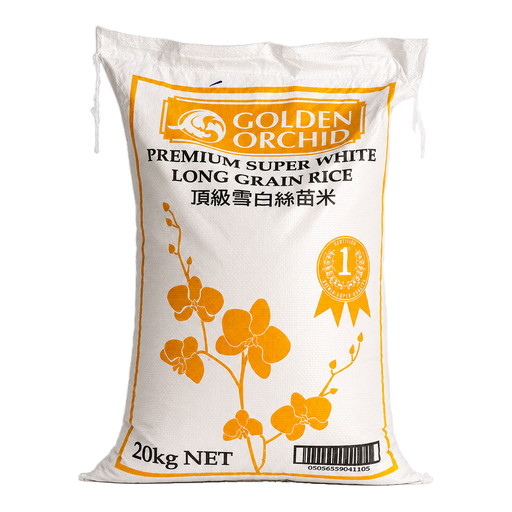
GOLDEN ORCHIDGO Premium Super White Long Grain 20kg/bag
Why this product suits this profile : At 20 kg, this sack is aimed at restaurants, caterers and large families that regularly serve white long-grain rice as a side dish.
The net weight is clearly stated, and the long-grain variety is suitable for a wide range of uses rather than one specific recipe.
20 kg sack, stated to contain even long grains, suitable for boiling, steaming and a variety of recipes.
Looking for more options ?
We have selected a complete, real-time updated list of products that meet these exacting criteria, as well as European safety requirements.
Preparing and storing a large sack of rice
Rinse the rice according to the manufacturer’s instructions, then follow the recommended water-to-rice ratio. Jasmine rice often requires slightly less water than very dry white rice, but the ideal quantity depends on the variety, rinsing and cooking method. Cooking with the lid on, followed by a resting period, helps the grains retain a pleasant texture.
In a catering or restaurant setting, keep the sack sealed in a dry storeroom and use a clean scoop. Avoid mixing old stock with new stock without checking the dates and product specifications. This system makes stock rotation easier and helps prevent unpleasant surprises.
Frequently asked questions about buying fragrant jasmine rice in bulk
What size should you choose for a restaurant?
A 10 kg sack is suitable for moderate use or a kitchen that alternates between several varieties. The 18 kg and 20 kg sizes are better suited to establishments that serve rice every day and have a clean, dry storage area.
Is jasmine rice suitable for sushi?
It can accompany certain Asian dishes, but its texture is generally lighter and less cohesive than sushi rice. To make maki or nigiri, choose a short- or medium-grain variety specifically intended for this purpose.
How do you store an opened sack for several months?
Transfer the rice to an airtight container and keep it away from moisture, light and strong odours. Always check the label for the best-before date and the storage conditions specific to the product.