
Garden Chair Buyer’s Guide: 3 Common Mistakes to Avoid
Choosing a garden chair? It seems simple enough. In reality, it's one of the most disappointing purchases you can make for your home. That beautiful model you spotted in the store can quickly turn into a nightmare: uncomfortable, flimsy, or impossible to store once autumn arrives. To save you from any unpleasant surprises, our editorial team has broken down the three most common mistakes and is sharing our expert tips to outsmart them.
The 3 Pitfalls to Avoid When Choosing Your Garden Chair
Before you pull out your credit card, watch out for these three common issues that can turn a dream purchase into a bitter regret.
- The "Weather-Resistant" Illusion: Many products carry this label, but the reality is often quite different. Low-quality plastic will eventually discolour and become brittle under the assault of UV rays, while poorly treated steel will rust after the first few rainfalls. True durability isn't found on a label; it's judged by the raw quality of the materials.
- Comfort Sacrificed at the Altar of Design: A patio chair with a minimalist design might be easy on the eyes, but it can be an instrument of torture if the seat is too narrow, the backrest too upright, or the material too stiff. For furniture dedicated to relaxation, comfort is non-negotiable.
- Underestimating the Footprint: That gorgeous garden armchair can quickly become a headache when it's time to store it for winter, especially if your storage space is limited (hello, tiny balcony!). The lack of practical features like folding or stacking is a deal-breaker that's too often overlooked in the excitement of the purchase.
The Essential Criteria for a Successful Purchase
To make the right choice, focus on these two key factors that will make all the difference in the quality and practicality of your future garden chair.
1. Material: The Pillar of Longevity
The choice of material has a direct impact on your chair's durability, maintenance, and aesthetics.
- Aluminium Garden Chair: The ultimate smart choice. Aluminium is lightweight, naturally rustproof, and requires almost no maintenance. A simple wipe-down with soapy water is all it takes. It's a must-have for coastal areas thanks to its high resistance to corrosion.
- Resin (or Polypropylene): Valued for its accessible price point and ease of maintenance, high-quality resin offers excellent resistance to UV rays and moisture. It allows for a wide variety of modern designs, perfect for a patio chair with a contemporary look.
- Epoxy-Coated Steel: Robust and sturdy, steel guarantees excellent stability. However, it's crucial to check the quality of the epoxy coating (the protective paint). The slightest chip invites rust, and that's the beginning of the end.
- Textilene: Often used for the seat and back of folding chairs or sun loungers, this synthetic fabric is tailor-made for the outdoors. It's breathable, dries quickly, and holds up well against UV rays and fading.
2. Ergonomics and Everyday Practicality
A chair should adapt to your lifestyle, not the other way around.
- Dimensions: Check the seat width and backrest height. A wide seat (around 50?cm) and a backrest that provides good lumbar support are the keys to long-term comfort.
- Features: Essential for a balcony or small patio: opt for a folding or stackable chair. For an outdoor lounge chair or a folding sunbed, a multi-position reclining backrest is a game-changing extra, perfect for effortlessly switching from reading to napping.
- Weight: A feather-light chair (under 5?kg) is easy to move around to follow the sun and can be stored without breaking your back. On this point, aluminium is the undisputed champion.
Our Top Garden Chair Picks
Here are three models that cater to specific needs, all approved by our editorial team for their durability and practicality.
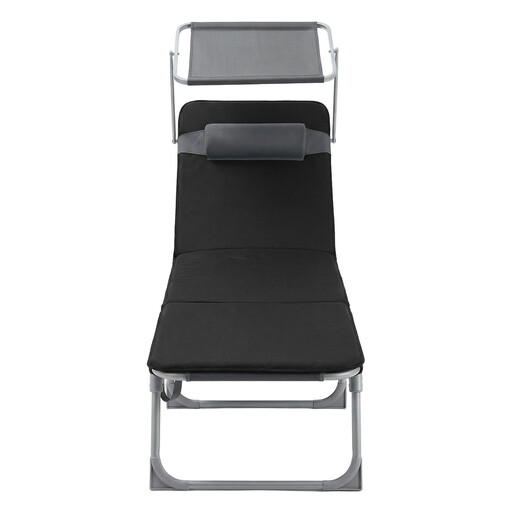
Ochama Folding Sun Lounger with Canopy
Why we love it: Perfect for those who want maximum comfort for reading or lounging by the pool. It's the ideal compromise between a full-size lounge chair and a compact sunbed.
It counters the comfort trap with its adjustable backrest, cushion, and sunshade. It also solves the storage equation: it's a folding sunbed that can be put away in a flash.
Its customisable comfort, with breathable fabric and a UV-protective canopy. Its reinforced steel frame ensures excellent stability.
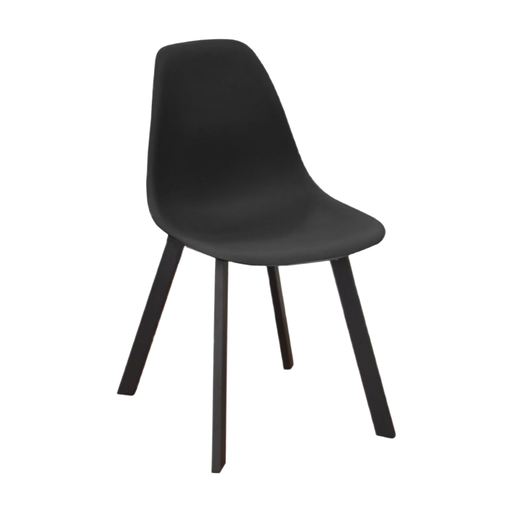
Proloisirs Jato Shell Garden Armchair - Black
Why we love it: Flawless for daily use on a patio or balcony. Its modern design and robust construction make it the perfect companion for an outdoor dining table.
It ticks the durability box with its anti-corrosion aluminium frame and maintenance-free resin shell. Comfort isn't an afterthought either, with a 51 cm seat width and thoughtfully designed armrests.
Virtually zero maintenance (a quick wipe-down is all it takes) and feather-light (4 kg) for effortless moving. Perfect even for coastal areas.

Folding Chair in Matte Black Aluminium
Why we love it: For anyone looking for an ultra-versatile spare seat to move from the garden to the patio or even take on a picnic. It's the ultimate portable chair.
It shatters the storage trap with its ultra-compact folded dimensions. Its aluminium frame and Textilene seat ensure excellent durability despite its feather-light weight.
Its record-low weight (3.5 kg) and adjustable seat angle provide surprising comfort. The aluminium/Textilene duo is a time-tested classic that has proven its worth.
Want to see more options?
Explore our full selection of products that meet our criteria for quality and durability.
Frequently Asked Questions (FAQ)
How long does an aluminium garden chair last?
An aluminium frame is built to last, often exceeding 10 years. The chair's overall lifespan will actually depend on its other components: the quality of the paint finish and, most importantly, the seat. A Textilene fabric seat, for example, might need to be replaced after 5 to 10 years, depending on its exposure to UV rays and how it's used.
How do you maintain a resin garden armchair?
Resin is arguably the easiest material to maintain. A simple, regular cleaning with a soft sponge and soapy water is enough to remove dust and stains. Rinse with clean water and dry with a cloth. Most importantly, never use abrasive sponges, wire brushes, or chlorine-based products, as you could permanently scratch or discolour the resin.
Is a folding garden chair as sturdy as a fixed one?
Absolutely, as long as you invest in a quality model. The key specification to check is the maximum weight capacity, which is always provided by the manufacturer (usually between 120 and 150?kg). A good folding mechanism, combined with a robust frame made of aluminium or treated steel, offers stability and durability that are entirely comparable to a fixed model under normal use.