
Korean Seaweed Snacks: How to Choose Crispy Roasted Seaweed for Your Needs
Korean seaweed snacks have plenty to offer: a light, crispy texture, a lovely umami flavour, and handy formats that are easy to slip into your bag. But not every product is suited to the same purpose. Some are designed to be eaten straight from the packet, while others are intended to accompany rice, noodles, salads, sushi or kimbap.
Before you place an order, three common pitfalls keep cropping up. The first concerns format: a sachet of a few grammes is perfect for a single portion, but quickly becomes impractical for a family. Conversely, a large bag of seaweed flakes can lose its crunch quickly if it isn't sealed properly.
The second pitfall is seasoning. A description that mentions a "light" taste tells you nothing about the salt content, nor the amount of oil or sugar. Only the ingredients list and the nutritional table give you the full picture. Finally, the term "roasted seaweed" can refer to nori sheets, crumbled seaweed, or even chips made with flour, oil and spices – the texture and intended use are then very different.
What to Check Before You Buy
1. Format: Individual Portion or Sharing Bag
For a break at the office, a snack or a packed lunch, portions of 3 to 5 g are easy to carry and limit exposure to moisture after opening. Multipacks, such as 3 × 4 g or 16 × 4 g formats, also help you control your portions more easily.
Bags of 32 to 50 g are better suited to home consumption or versatile use. If you're looking for seaweed flakes, check that the packet has a resealable closure. If not, transfer the contents to an airtight container.
2. Ingredients and Allergens
A short recipe can be as simple as laver, oil and salt. Other products add sesame, soy sauce, sugar, chilli, wheat flour, nuts or flavourings. To choose a vegetarian or vegan snack, take the time to read the label in full: a barbecue or teriyaki flavour may contain animal-derived ingredients depending on the recipe.
Allergens need careful attention. Sesame is common in seasoned nori, while soya and wheat are often found in certain sauces or tempura-style preparations. Those with allergies should also take note of "may contain traces of" statements.
The DELIEF product shown below carries a halal certification and a recipe based on laver, rapeseed oil and salt. However, always refer to the packaging before consumption.
3. Intended Use: Snacking or Cooking
Whole sheets are particularly well suited to sushi and kimbap. Already-seasoned seaweed is an easy accompaniment to a bowl of rice. As for crumbled formats, such as gimjaban or jaban, they can be sprinkled over noodles, salad, soup or vegetables.
To keep your seaweed crispy, store the packet in a dry place, away from heat and light. Seal it tightly after every use. The moisture-absorbing sachets included with some products should, of course, not be eaten.
Our Selection by Profile
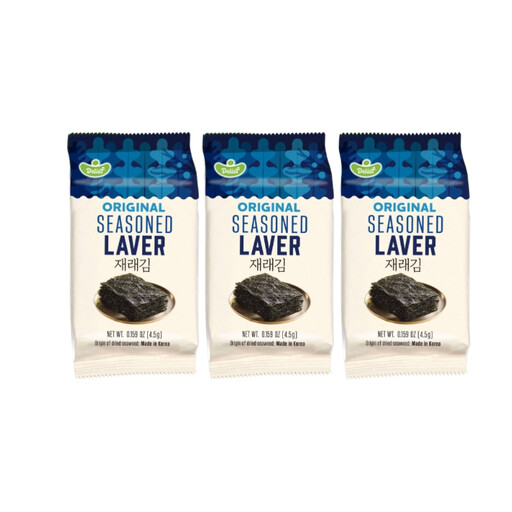
DELIEF Original Seasoned Laver HALAL 4.5g x 3
Why this choice suits this profile: With its three individual portions, this product lets you try roasted seaweed without committing to a large format. The stated recipe consists of laver, rapeseed oil and salt, with a halal certification indicated by the manufacturer.
The net weight of 13.5 g and the 3 × 4.5 g packaging make the quantity immediately clear, and you avoid having to open a large bag repeatedly.
Practical portions, a stated origin in South Korea, and no declared allergens on the product sheet.
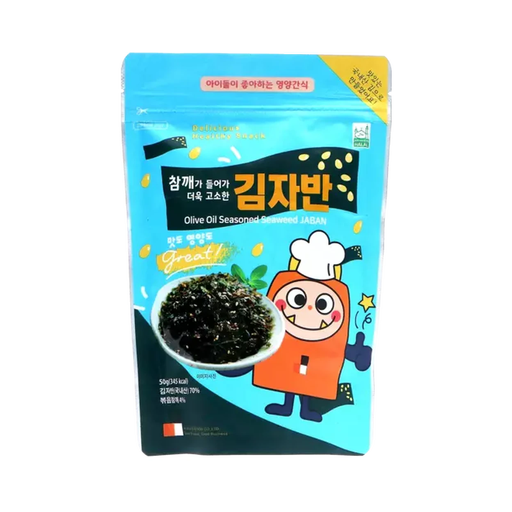
Garimi Olive Oil Seaweed Shredded GimJaban Flavor 50 g
Why this choice suits this profile: This format focuses on a crumbled texture and an olive oil seasoning. It's ideal for enhancing several dishes, rather than eating the sheets on their own.
The resealable bag reduces the risk of the seaweed going soft. The product sheet also details possible uses: rice, noodles, salads, sushi and soups.
A 50 g weight, a fine texture and olive oil, with a declared absence of the 14 major EU allergens.
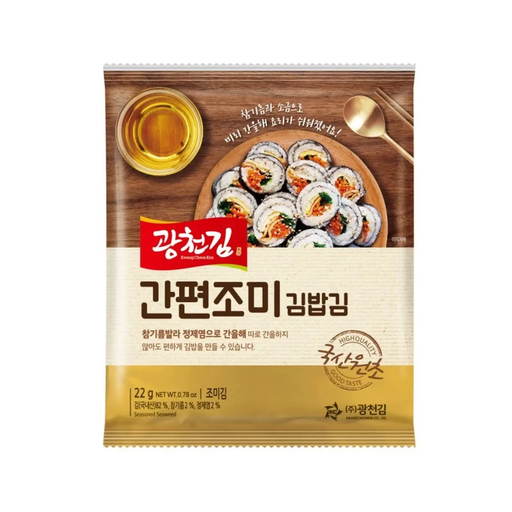
Kwang Cheon Kim Kimbap Roasted Seasoned Seaweed 10 sheets 22g
Why this choice suits this profile: The ten sheets are designed for making kimbap or sushi. This format is ideal for households that use seaweed regularly in cooking.
The number of sheets is clearly stated: you get a suitable base for rolling, rather than a crumbled snack that's difficult to use for kimbap.
10 sheets for 22 g total, a sesame seasoning, and storage instructions for before and after opening.
Looking for other options?
We've put together a comprehensive, real-time updated selection of products that meet these strict criteria as well as European safety requirements.
Which Type of Snack to Choose Based on Your Cravings?
- For a savoury break: go for roasted sheets sold in individual portions.
- To add flavour to a dish: opt for seaweed flakes or gimjaban to sprinkle on top.
- For a bold flavour: spicy, wasabi, sesame or barbecue seaweed offer more intensity.
- For a texture similar to crisps: tempura preparations or seaweed chips sometimes contain flour, starch or a higher amount of oil. So check the allergens and ingredients carefully.
- For sushi and kimbap: choose whole nori sheets, with the number of sheets clearly stated.
Spicy recipes deserve extra attention when the product contains soya, peanut, wheat or seasoning additives. The word "spicy" alone isn't enough to tell you what's in it.
FAQ on Korean Seaweed Snacks
How long do roasted seaweed snacks keep after opening?
The best-before date is on the packaging, but the texture depends mainly on moisture. After opening, seal the bag carefully and eat the sheets or flakes quickly. A product that has gone soft isn't necessarily unsafe to eat, but it will have lost some of its crunch.
Are Korean seaweed snacks suitable for a vegetarian or vegan diet?
Some products are vegetarian or vegan, but this isn't always the case. Recipes made only from seaweed, oil, salt, sesame, sugar or spices can be suitable, depending on the labelling. Also check the flavourings, sauces, seasonings and allergen statements. To choose a halal seaweed snack, look for a certification clearly marked on the packaging.
Can you use seaweed for cooking, not just for snacking?
Yes. Nori sheets are used for sushi and kimbap, while flakes go very well with rice, noodles, salads and soups. For regular culinary use, a larger, resealable bag will generally be more practical than several mini portions.