
Acana Duck Kibble: A Buyer's Guide for Dogs With Sensitive Digestion
When you have a dog prone to itching, digestive issues, or skin reactions, finding the right food can quickly become an uphill battle. The shelves are overflowing with promises, but the labels are often indecipherable. As a product expert at Joybuy, I'm here to help you see things more clearly. Together, let's break down the common pitfalls to avoid and the criteria that truly matter for making the right choice, using Acana duck kibble as our example.
The real challenge isn't just choosing a product, but understanding what makes it truly suitable for a sensitive pet. Before you head to the checkout, watch out for these three classic traps:
- The "Hypoallergenic" Mirage: This term, purely a marketing tool, guarantees nothing without a transparent ingredient list. A product can claim to be hypoallergenic while containing multiple protein sources or hidden allergens, making it impossible to identify the root cause of the problem.
- The "Grain-Free" Trap: A grain-free dog food formula is a good start, but the real question is: what are the grains replaced with? Some brands substitute wheat with large amounts of potato or tapioca starch, which have a high glycemic index and almost no nutritional value.
- Long and Opaque Ingredient Lists: Terms like "meat and animal derivatives" or "vegetable protein extracts" are red flags. They don't allow you to know what your dog is actually eating. For a sensitive pet, transparency isn't an option—it's non-negotiable.
Criteria to Check Before Buying Food for a Sensitive Dog
To avoid these traps, you just need to focus on a few key points that make all the difference. These indicators will help you judge the true quality of a dry food for allergic dogs.
1. The Protein Source: The Single-Protein Approach
The principle of a single-protein dog food is simple: use only one source of animal protein (for example, only duck, lamb, or fish). This approach is ideal for dogs on a diet for adult dogs with sensitive digestion.
- Why is it crucial? If a reaction occurs, a single-protein formula allows you to immediately identify the culprit ingredient. This is the core principle of an elimination diet, the most reliable method for pinpointing food sensitivities.
- What to check: The label must clearly state a single meat. For example, "Fresh duck," "duck meal," "duck liver." Be wary if you read "duck" first, followed by "dehydrated poultry protein" further down the list.
2. Carbohydrate Composition: Beyond "Grain-Free"
A grain-free dog kibble formula is a good choice, but you must analyze the replacement ingredients.
- Good Substitutes: Legumes like whole lentils, chickpeas, or whole green peas are excellent sources of low-glycemic carbohydrates. They also provide fibre and plant-based protein, promoting good digestion and a lasting feeling of fullness.
- What to watch for: An overdose of potato or tapioca starch is often a sign of a low-quality recipe, where these ingredients serve as cheap fillers.
3. Essential Nutrients for Skin and Coat
For a dog with sensitive skin, the presence of essential fatty acids is non-negotiable.
- Omega-3 and Omega-6: These fatty acids, sourced from duck fat or algae for instance, help maintain a healthy skin barrier and a shiny coat. A good balance between the two is essential. Check for their presence and source in the analytical constituents list.
Sensitive Dog Food Recommendations
To see how to apply these criteria in practice, here is our selection of products suited for different dog (and owner!) profiles.
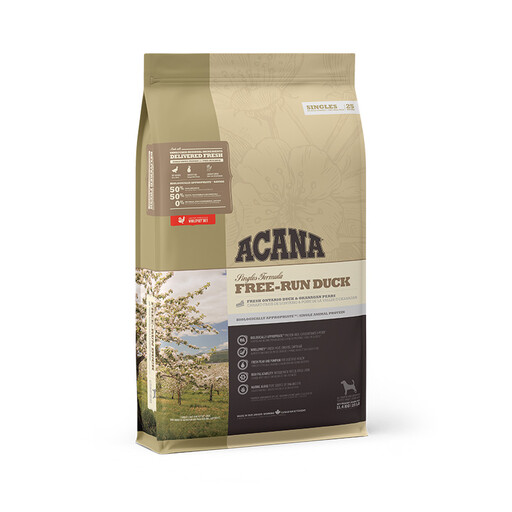
Acana Free-Range Duck Single-Ingredient Dog Food, 11.4 kg
Why it's a great match: Ideal for starting an elimination diet or for a dog already diagnosed with a chicken or beef allergy. Its single-protein duck formula is a reliable choice, both simple and ultra-nutritious.
The "Single Animal Protein Source" claim leaves no room for doubt. The recipe relies on whole peas and lentils, skipping filler starches and the vague marketing of "hypoallergenic."
With 50% duck ingredients (meat, liver, fat), the biological value is maximized for a natural nutrient intake. The recipe is also rich in omega-3 and 6, allies for healthy skin and a shiny coat.
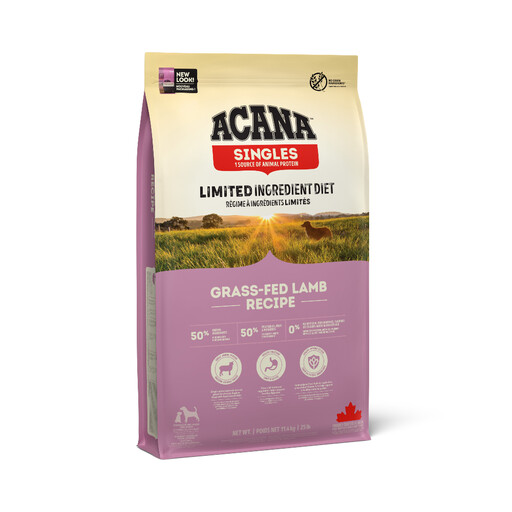
Acana Singles Series Dog Food with Grass-Fed Lamb, 11.4 kg
Why it's a great match: Perfect for those who practice protein rotation to limit the risk of new sensitivities, without compromising on the quality of a limited ingredient diet.
The recipe strictly adheres to the single-protein principle, with lamb as the sole animal source. The ingredient list is crystal clear: no grains, potato, or tapioca.
The grass-fed lamb and freeze-dried liver infusion boost palatability, making it an excellent option for picky eaters.
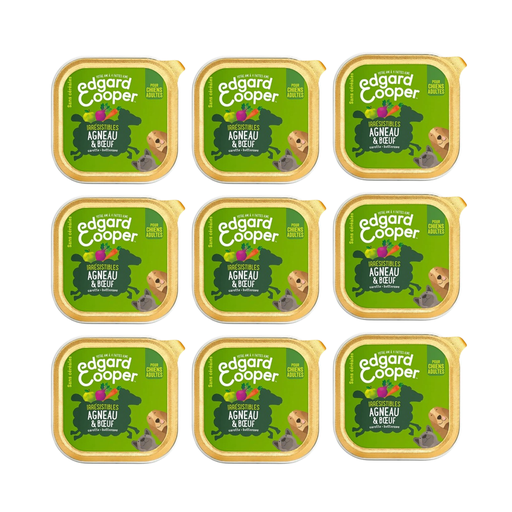
EDGARD & COOPER Grain-Free Lamb & Beef P?té
Why it's a great match: An excellent wet food option to supplement kibble, ensure proper hydration, or simply add variety for foodies who love p?té. Best reserved for dogs with no known sensitivity to beef or lamb.
The ingredient list is exceptionally clear: lamb (30%) and beef (26%). No vague "by-products," but real meat and nutritious offal (heart, liver) for maximum nutrients.
The grain-free recipe benefits from a gentle cooking process that preserves flavours and nutrients. The addition of carrots, broccoli, and apples ensures a natural supply of vitamins.
Looking for other options?
To add variety or find healthy treats, we've selected protein-rich products that meet an equally strict set of standards.
Frequently Asked Questions (FAQ)
How do I successfully transition to a new food?
The secret to avoiding digestive upset? A smooth transition. Over 7 to 10 days, mix the new kibble with the old, gradually increasing the proportion of the new food until you have completely replaced the old one.
Is a single-protein diet necessary for all dogs?
No, it's not mandatory for a dog that shows no signs of sensitivity. However, it becomes a powerfully effective diagnostic and management tool for dogs prone to itching, chronic digestive issues, or known allergies.
What does "low-glycemic ingredients" mean?
In short, it means the carbohydrates used (lentils, chickpeas, etc.) release their energy slowly. The result: no blood sugar spike, more stable energy, and a great aid in maintaining a healthy weight. This is a major asset for a diet for an adult dog with sensitive digestion.