
Smartwatch Buying Guide: How to Choose the Right One for You
The smartwatch market is a jungle. Between tempting marketing promises and an avalanche of models, from entry-level to luxury, it's hard to know where to start. The risk? Ending up with an overpriced gadget on your wrist that's about as useful as a simple bracelet. To avoid disappointment, here are the pitfalls to watch out for.
As a product expert at Joybuy, I analyse dozens of spec sheets every week. My goal is to help you cut through the noise. Here are the 3 classic mistakes to avoid and the key points to check for a successful purchase.
The 3 Pitfalls to Avoid Before You Buy
- The Myth of XXL Battery Life: Don't be fooled by spec sheets that promise weeks of battery life. In reality, this figure is almost always calculated in standby mode, with zero interaction. Turn on the GPS for your run, check your notifications, or make a call, and you'll see that impressive promise melt away, lasting barely a day or two.
- Water Resistance: A Vague Concept: Be careful, the word "water-resistant" is often a marketing gimmick. It doesn't necessarily mean you can go for a swim with your watch. An IP68 certification protects against accidental immersion (in the shower, while doing dishes), but it's rarely sufficient for a swimming session. The devil is in the details: always check the exact rating to avoid drowning your investment.
- Misleading Compatibility: A watch that doesn't communicate well with your smartphone loses 90% of its usefulness. Be vigilant: some models are designed for a single ecosystem (the Apple Watch for an iPhone smartwatch, for example). Others claim to be compatible with both Android and iOS but may offer a clunky or limited experience on one of them. Smooth synchronisation is non-negotiable.
The Technical Criteria You Must Check
To avoid falling into the trap, focus on these few technical points. They are the only true indicator of your future watch's real-world performance.
1. Real-World Battery Life
Instead of trusting the maximum battery life displayed in bold print, dive into the details. A reputable manufacturer will always break down its battery endurance across different scenarios:
- Classic smartwatch mode: With notifications and passive health tracking.
- Active GPS mode: During a sports smartwatch session (running, cycling).
- Power-saving mode: Limited smart features to extend duration. A watch that can last more than 5 days with mixed usage (notifications, a few sports sessions) is already an excellent sign of performance.
2. Water Resistance Rating: IP68 or ATM?
This is a crucial point not to overlook if you're an athlete.
- IP68 rating: The device is completely protected against dust and can withstand prolonged immersion in water (usually up to 1.5 metres for 30 minutes). Perfect for rain or washing dishes, but should be avoided for swimming.
- ATM rating: This measures resistance to pressure. A water-resistant watch with a 5 ATM certification can withstand pressure equivalent to a depth of 50 metres. This is the minimum required for swimming in a pool or the sea. For diving, aim for 10 ATM or higher.
3. Compatibility and Ecosystem
Check, double-check, and triple-check the compatibility with your smartphone's operating system. An Android smartwatch will always work best with a Samsung, Google, or other Android phone, while an Apple Watch is designed exclusively for the iOS ecosystem. For third-party brands, there's one essential step: read the reviews for the companion app (available on the Play Store or App Store). It's the command centre, and if it has bad reviews, steer clear!
Our Top Smartwatch Picks
To put these criteria into practice, here are three models that tick the right boxes, each tailored to a specific user profile.
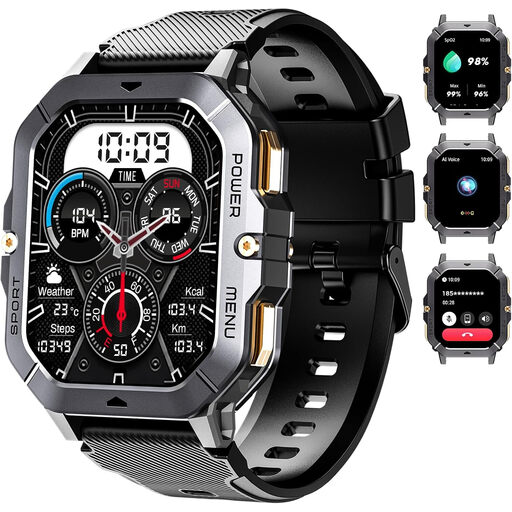
OUKITEL BT101 Black Smartwatch
The right profile? Perfect for a first-time buyer or for those who want the essentials, like a smartwatch with Bluetooth calling, basic sports tracking, and notifications, without breaking the bank. A versatile everyday model for both men and women.
The brand is transparent about its Android/iOS compatibility via the Da Fit app, which prevents the unpleasant surprise of a finicky sync. Its IP68 rating is presented for daily use, without overselling its swimming capabilities.
Bluetooth calling and over 100 sports modes at an unbeatable price.
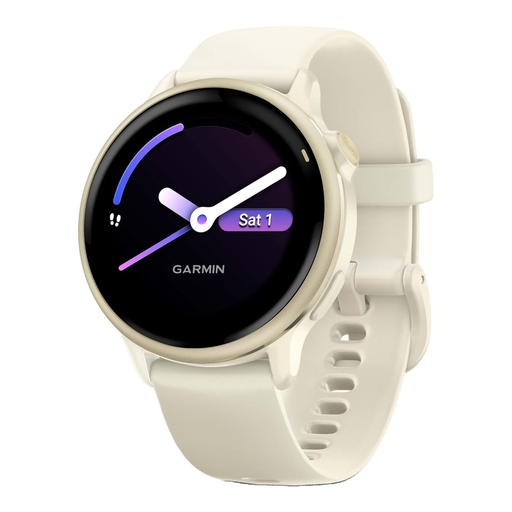
GARMIN Vivoactive 6
The right profile? For runners, swimmers, and fitness enthusiasts who demand a precise GPS watch, advanced health data (SpO2, Body Battery), and a watch that can handle intense workouts.
Garmin doesn't mince words: the 5 ATM certification of the Vivoactive 6 is clearly displayed and guarantees it's safe for swimming. Its battery life is detailed (up to 11 days in smartwatch mode, 24 hours in GPS mode), so you know exactly what to expect.
Its ultra-precise Multi-GNSS GPS, 5 ATM certification for swimming, and the Garmin Connect ecosystem—the gold standard for performance analysis.
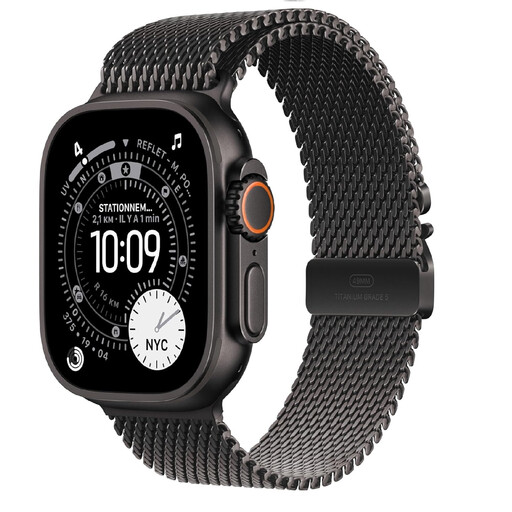
APPLE Watch Ultra 3 GPS + Cellular
The right profile? For iPhone owners who want the smoothest integration on the market, an impeccable finish, and cutting-edge features for both adventure (dual-frequency GPS, satellite SOS) and daily life.
The Apple Watch Ultra 3 lays its cards on the table. Its battery life is specified for multiple modes (up to 72 hours in low-power mode). Its 100-metre water resistance and rugged build are designed for intense activities, going far beyond simple IP ratings.
The seamless integration with the iPhone ecosystem, a nearly indestructible titanium case, and exclusive safety features like Emergency SOS via satellite.
Haven't found what you're looking for?
Explore our full selection of smartwatches, all tested and approved by our experts according to these demanding criteria.
Frequently Asked Questions
What is the average lifespan of a smartwatch?
On average, you can expect 3 to 5 years. The two weak points are always the same: the battery, which loses capacity with each charge cycle, and the end of software updates (for security and features) from the manufacturer.
Are the health sensors (heart rate, SpO2) reliable?
The sensors in recent models are increasingly accurate for tracking your daily fitness. But be warned: a smartwatch is NOT a medical device. Its data provides indicators, not diagnoses. If you have any doubts or health concerns, only a doctor's advice matters.
Does a smartwatch work without a phone nearby?
Yes, but in a limited capacity. Basic functions like the time, stopwatch, or tracking a sports activity (if it has a built-in GPS) work without issue. However, to receive notifications, make calls, or sync your data, a Bluetooth connection to your smartphone is essential. Only high-end models with an eSIM card (4G/5G connectivity) can operate completely independently.