
Smartwatch Buying Guide: How to Choose the Right One for You
The smartwatch market is a tech jungle filled with promises. Between endless spec sheets and catchy slogans, it's easy to feel lost and end up with a purchase you regret. The goal isn't just to buy a gadget, but a true wrist companion—one that's reliable, seamlessly integrated into your daily life, and doesn't break the bank.
Before you dive in, let's review the most common traps that can turn a promising purchase into a bitter disappointment.
- The myth of "multi-week" battery life: Many spec sheets boast record-breaking battery life. However, this duration almost always refers to standby mode, with no interaction whatsoever. As soon as you activate sleep tracking, continuous heart rate monitoring, or calls, the real-world battery life melts away and can drop to just a few days.
- Vagueness around water resistance: A product labeled "water-resistant" is not necessarily a waterproof smartwatch designed for swimming. The IP (Ingress Protection) rating is crucial. An IP68 certification, for example, guarantees protection against dust and temporary immersion (rain, washing dishes, washing your hands), but it's definitely not meant for swimming laps in the pool.
- Finicky compatibility: A watch might look perfect on paper, but if its app is clunky or the Bluetooth connection to your Android or iPhone is unstable, essential features like receiving notifications or making calls will quickly become a real headache.
The Criteria That Really Matter Before You Buy
To make an informed choice, focus on a few key technical points that make all the difference in daily use.
1. Real-World Battery Life
Instead of relying on the standby duration, look for the battery life in "typical" or "daily" use. A good smartwatch should last at least 5 to 7 days with health tracking features enabled and moderate use of notifications. Models that handle Bluetooth calls are more power-hungry; check that the battery capacity (expressed in mAh) is sufficient so you don't have to plug it in on your nightstand every evening.
2. Water Resistance Level Suited to Your Lifestyle
For everyday use, including gym workouts, running in the rain, or simply not having to take it off in the shower, an IP68 certification is the bare minimum. It ensures the device is protected against dust and can withstand immersion in water up to a certain depth and duration (usually 1.5 meters for 30 minutes). If you're a swimmer, you must opt for models with a 5 ATM rating, which are specifically designed for this purpose.
3. Connectivity and App Fluidity
The user experience primarily depends on the stability of the connection between the watch and your phone. Prioritise models equipped with a recent Bluetooth version (like Bluetooth 5.3) for a faster, more reliable link. Before buying, taking a quick look at the Play Store or App Store to read reviews of the companion app is an excellent way to judge its reliability and user-friendliness. A good app should sync your sports smartwatch and health data seamlessly.
Our Smartwatch Recommendations
Here are a few models that cater to distinct user profiles, based on the objective criteria we've just discussed.
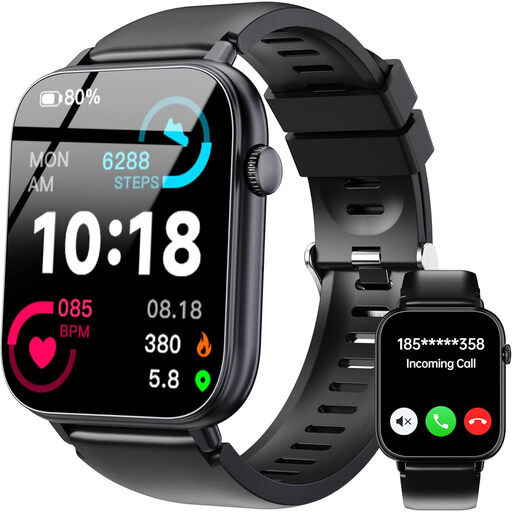
OUKITEL V3 Smartwatch (available in Black and Pink)
Who is it for? Perfect for a first-time buyer or anyone looking for a full-featured men's or women's smartwatch without breaking the bank. It handles notifications, calls, sports tracking, and health monitoring on a large, comfortable screen.
The advertised 7-day battery life in daily use is realistic for usage with health tracking. The IP68 certification is clearly positioned for everyday use, which avoids any confusion about its suitability for swimming.
Bluetooth calling directly from your wrist. Large 1.83-inch HD touchscreen for easy reading. Over 100 built-in sports modes.
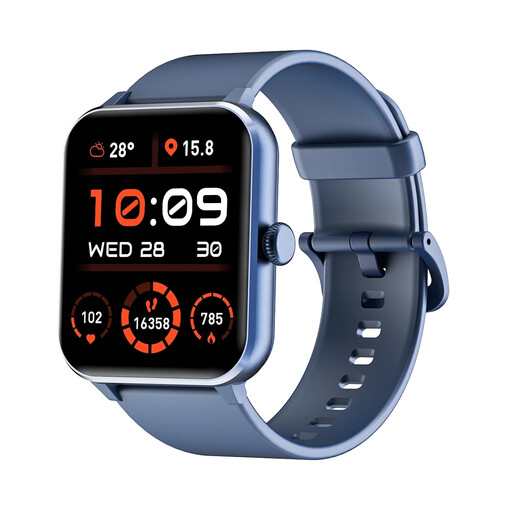
Blackview R50 Smartwatch
Who is it for? For those who want a simple and durable sports smartwatch. It focuses heavily on activity tracking and marathon battery life, so you'll never run out of juice mid-session.
It tackles the battery life trap head-on. Its long-lasting battery lets you focus on your sport without charging anxiety, a point often overlooked on entry-level models.
Extensive battery life. Large 1.85-inch screen for optimal visibility during exercise. Over 100 sports modes for varied tracking.
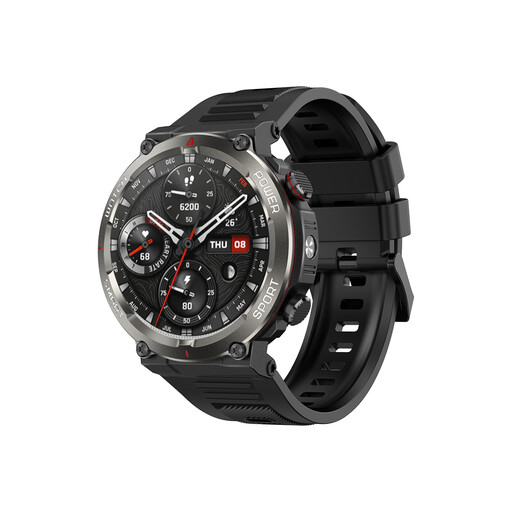
Blackview W50 Pro Smartwatch
Who is it for? Designed for those who demand maximum ruggedness and battery life. Perfect for hiking, outdoor activities, or simply for those who don't want to think about charging for weeks.
It shatters the battery life trap with a high-capacity battery (960 mAh) offering about 30 days of typical use. Its rugged design and physical buttons make it more reliable in tough conditions.
Exceptional battery life. Integrated utility functions like an LED flashlight and a compass. Solid aluminum alloy case, ready for adventure.
Looking for other options?
We have compiled a complete and updated list of products that meet these strict selection criteria and current regulations.
Frequently Asked Questions
Is it complicated to connect a watch to an Android or iPhone smartphone?
No, the process is usually very simple. Just download the dedicated app mentioned in the manual (like GloryFit for some models), enable Bluetooth on your phone, and follow the pairing instructions. In a few minutes, you're all set! Your watch is connected and ready to use, whether you have an iPhone or an Android device.
What is the lifespan of an entry-level smartwatch?
The lifespan of a budget-friendly smartwatch depends on the quality of its components and how you care for it. Generally, you can expect a lifespan of 2 to 4 years. The battery is usually the first component to show signs of wear. To preserve it, avoid full discharges and exposure to extreme temperatures.
Are the health measurements (heart rate, SpO2) reliable?
The built-in sensors provide useful estimates for tracking trends in your fitness and well-being on a daily basis (for example, during a sport session or during sleep tracking). However, it's important to remember that these devices are not medical devices. The data is provided for reference only and should never replace a diagnosis or the advice of a healthcare professional.