
Vegetarian Tripe Buyer’s Guide: Top Picks and Buying Advice
Interest in plant-based alternatives is steadily growing, and the shelves of Asian grocery stores are filled with innovative options. Among them, vegetarian tripe stands out for its unique textures and bold, often spicy, flavours. With a growing selection, it can be difficult to navigate the options and choose a product that meets your expectations for taste and quality.
As a Product Recommendation Officer at Joybuy, my role is to provide clear guidance to help you make an informed decision, cutting through the marketing noise. This guide focuses on objective product features to steer you toward the best option for your tastes.
How to Choose Your Vegetarian Tripe?
Before diving into our top picks, here are a few objective criteria to consider to guide your purchase.
1. Identify the Base Ingredient: Konjac or Soy Protein?
Texture is one of the most crucial aspects of this type of snack. It primarily depends on the base ingredient:
- Konjac: Derived from an Asian plant, konjac is processed into a flour that, once cooked, offers a very distinctive texture that is simultaneously gelatinous, firm, and chewy. It's the star ingredient of the popular konjac snack.
- Soy and wheat proteins: These textured proteins are used to create a more fibrous and tender consistency, which can mimic the chewiness of some meat products.
The choice between these two bases is primarily a matter of personal preference when it comes to mouthfeel.
2. Understand the Flavour Profile: Mala or Savoury Sauce?
Chinese cuisine, especially from the Sichuan province, is renowned for its complex flavours. For these snacks, two main profiles are typically found:
- The mala (麻辣) flavour: This is an iconic combination that pairs the heat of the chilli pepper (là, 辣) with the unique tingling and numbing sensation of Sichuan peppercorn (má, 麻). It's a bold choice for flavour thrill-seekers.
- The savoury sauce (香辣 or 酱香): Less intense than mala, this profile focuses on a balance of spicy, salty, and sweeter, more aromatic notes, often derived from soy sauce and a blend of spices.
3. Check the Ingredient List and Nutritional Information
As with any food product, it's wise to check the label. Review the ingredient list to identify any potential allergens (soy, wheat, sesame, etc.) and take a look at the nutritional information (salt, fat, and protein content) to ensure the product fits your dietary needs.
Top Vegetarian Tripe Picks
Here are a few recommended options, each with its own unique characteristics, to help you find the right spicy Chinese snack for you.
Wuxianzhai Spicy Vegetarian Beef Tripe 100g
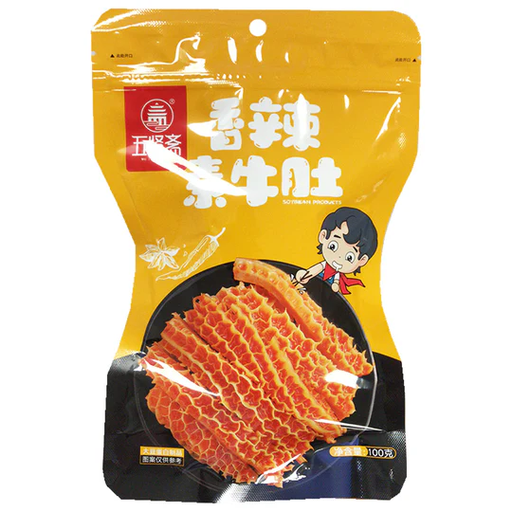
- Why We Recommend It: This option from the Wuxianzhai brand stands out with its base of puffed soy and wheat proteins, which lends it a soft and fibrous texture. The seasoning is an authentic mala flavour, with a prominent presence of Sichuan peppercorn and chilli for an intense and classic taste experience.
- Pros:
- Soft, protein-rich texture.
- Pronounced and authentic mala flavour.
- Ready to eat, perfect as a vegan Asian appetiser or snack.
- Who It's For: Those looking for a plant-based tripe alternative with a substantial texture who enjoy the spicy and numbing flavours of Sichuan.
WuXianZhai Vegetarian Beef Tripe Savory Sauce Flavor 100g
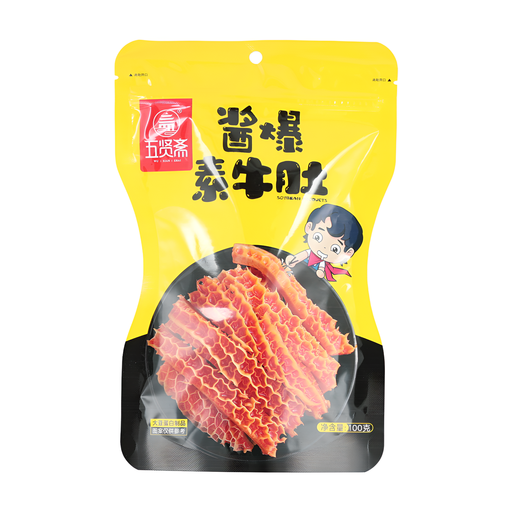
- Why We Recommend It: Unlike the previous version, this snack uses konjac as its main ingredient, offering a chewy and pleasant mouthfeel. The flavour is milder, dominated by a savoury and aromatic sauce, making it a more accessible entry point for those unaccustomed to extreme heat.
- Pros:
- Firm and chewy konjac-based texture.
- Rich, aromatic, and less spicy flavour.
- Low in calories per serving.
- Who It's For: Ideal for those curious to try the texture of a konjac snack with a balanced umami flavour, without the intensity of mala spice.
Wei Long Konjac Snack, Mala (Spicy & Numbing) Vegetarian Beef Tripe, Boxed 360g
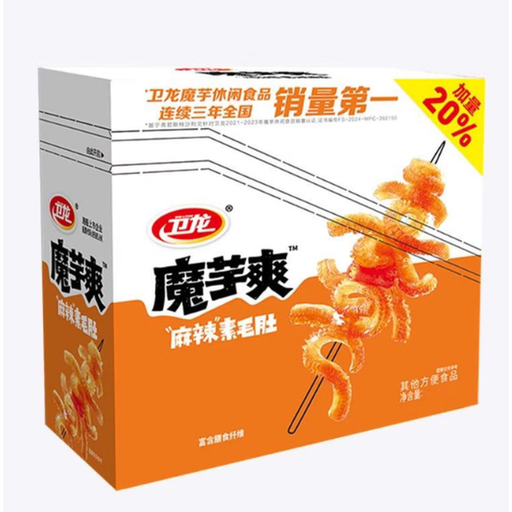
- Why We Recommend It: The Wei Long konjac snack is a must-try staple in the Chinese snack market. This version combines the chewy, thin texture of konjac with a powerful and addictive mala seasoning. The 360g box format is convenient for sharing or for big fans of this flavour.
- Pros:
- Thin, wavy konjac texture that holds sauce well.
- Intense mala flavour, a Wei Long signature.
- Generous, shareable format.
- Who It's For: Connoisseurs and fans of intensely spicy flavours who are seeking the authentic and popular experience of a mala konjac snack.
Looking for Other Plant-Based Alternatives?
If you enjoyed discovering these textures and flavours but are looking for more substantial options for a main meal, the possibilities are vast. Plant-based alternatives aren't just limited to snacks. For complete dishes, options like plant-based steak can provide an interesting protein base to incorporate into your everyday recipes.
Frequently Asked Questions (FAQ)
Q1: What is konjac, the ingredient in many vegetarian tripes?
Konjac is a perennial plant native to Southeast Asia. Its corm is ground into a powder (konjac flour) which is then mixed with water to form a gel. This gel, once processed, yields a product with a firm, chewy, and slightly gelatinous texture. It is very low in calories and is prized for its ability to absorb the flavours of the sauces it's prepared with.
Q2: Is the "mala" flavour really that spicy?
The mala flavour is indeed intense. Its uniqueness lies not just in the heat from the chilli, but also in the tingling and numbing sensation caused by Sichuan peppercorn. For a first taste, it's best to start with a small amount. If you are sensitive to spice, the "savoury sauce" versions (like the one from Wuxianzhai) are a milder alternative.
Q3: Are all these vegetarian tripe snacks vegan?
Most of these products are designed to be vegetarian and are often vegan, as they are plant-based (konjac, soy, wheat). However, recipes may include flavour enhancers or additives of varying origins. To be certain, it is essential to always check the full ingredient list and any allergen statements on the product packaging.