
Which Vlogging Camera Should You Choose for Your Creations?
Choosing the right vlogging camera can quickly become overwhelming given the vast number of options. Whether you're a YouTube creator, an Instagram influencer, or simply a travel enthusiast, image quality is crucial for captivating your audience. The right gear does more than just record: it streamlines your workflow and makes your content more impactful.
I'm Joybuy's product expert, and my mission is to guide you with clear, objective information. This guide is designed to help you identify the criteria that truly matter and discover our selection of the best devices for vloggers in 2026.
How to Choose the Ideal Vlogging Camera
Before diving into our top picks, let's review the features that will make all the difference in your day-to-day use.
Image Quality: Beyond Just 4K
While the term 4K vlogging camera is everywhere, video quality is actually the result of a much more complex combination of factors. Sensor size is paramount: a larger sensor (like a 1-inch or APS-C sensor) captures more light, delivering better low-light performance and a more aesthetic background blur (bokeh). Also consider the colour science and dynamic range, which determine the richness and natural look of your footage.
Stabilisation and Portability: The Nomadic Vlogger's Best Friends
A shaky video is simply unwatchable. Stabilisation is therefore a non-negotiable feature. There are two main types:
- Mechanical stabilisation (gimbal): Built into the camera, it provides remarkable smoothness, ideal for shots on the move.
- Digital stabilisation: This method slightly crops the image to compensate for shakes. Its effectiveness varies greatly between models.
For a travel camera, weight and size are, of course, decisive factors. A compact and lightweight device will encourage you to take it everywhere with you.
Ergonomics and Key Features: The Screen and Audio
A camera with a flip screen is almost essential for framing yourself correctly when filming. The screen must be bright enough to remain legible in direct sunlight. On the audio front, a good built-in microphone is a plus, but having an external mic input gives you crucial flexibility to improve sound quality—an aspect often underestimated by beginners.
Our Recommended Vlogging Cameras
Here are three models with distinctly different philosophies, each tailor-made for a specific type of creator.
DJI Osmo Pocket 3
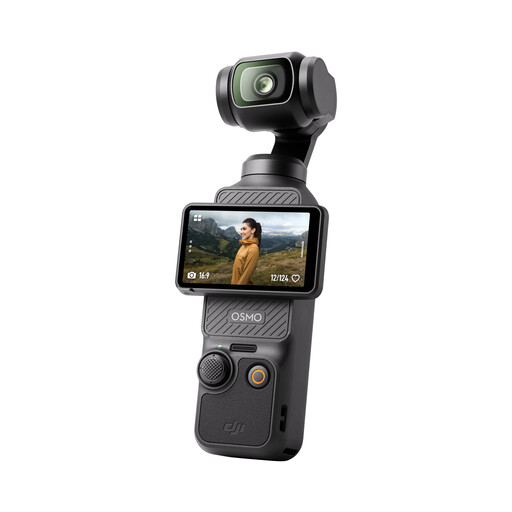
What makes this model stand out? The DJI Osmo Pocket 3 is an all-in-one solution that combines a high-quality camera and a mechanical stabiliser in a pocket-sized format. Designed for simplicity and efficiency, it allows you to capture impressively smooth shots without any extra accessories.
Key features:
- 3-axis mechanical stabilisation for perfectly stable videos.
- 1-inch CMOS sensor ensuring excellent image quality, even in low light.
- 2-inch rotating touchscreen for easy framing in both horizontal and vertical formats.
- Fast focusing and intelligent subject tracking (ActiveTrack 6.0).
Who is it for? Ideal for travel vloggers, nomadic creators, and anyone looking for a "ready-to-go" solution that delivers professional results without the hassle.
Sony ZV-E10 (Body Only)
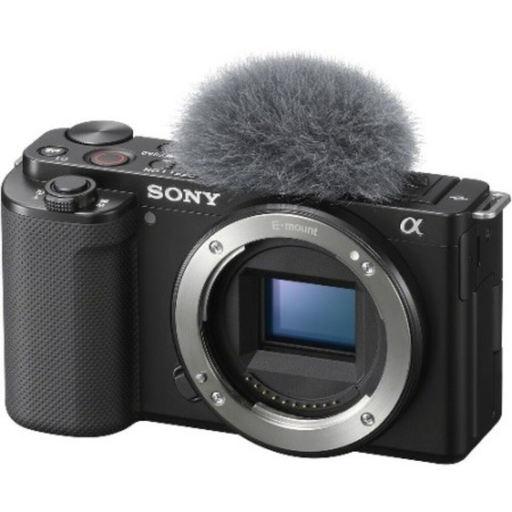
What makes this model stand out? The Sony ZV-E10 is a video-first hybrid camera that is all about versatility. Its trump card is the E-mount, which allows you to change lenses and unlocks immense creative potential. Combined with its large APS-C sensor, it delivers a near-cinematic look.
Key features:
- Large 24.2 MP APS-C sensor for superior image quality and beautiful bokeh.
- Interchangeable lens system for maximum creative flexibility.
- Ultra-responsive autofocus with real-time Eye AF, a real bonus for vloggers.
- Side-articulating screen, perfect for filming yourself and trying out bold angles.
- 3-capsule directional mic with an included wind screen.
Who is it for? For YouTube creators who want to take their content to the next level. It's the perfect tool for those who demand complete control over their image, whether for studio vlogs, interviews, or more artistic projects.
Insta360 Ace Pro
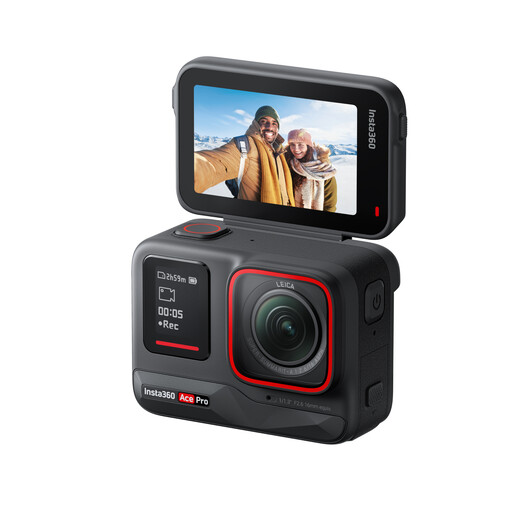
What makes this model stand out? The Insta360 Ace Pro isn't just another action camera: it's shaking up the market thanks to its partnership with Leica and a healthy dose of AI. Rugged and waterproof, it's built for adventure without ever sacrificing image quality.
Key features:
- Optics co-engineered with Leica for remarkable clarity and colour science.
- Large 1/1.3-inch sensor and a 5nm AI chip for stunning low-light performance (PureVideo mode).
- Waterproof up to 10 metres without a case, ready for any conditions.
- Large 2.4-inch flip-out touchscreen, very practical for vlogging.
- Advanced FlowState stabilisation and AI-assisted editing features.
Who is it for? The camera of choice for action vloggers, athletes, and adventurers. It will also appeal to creators who love smart features that streamline the editing process and simplify sharing on social media.
Looking for Other Options?
The video camera market is vast, and every creator has unique needs. These three models cover a broad spectrum, but the market is full of other gems suited to every budget and use case.
To discover a wider range of gear for all your projects, explore our complete selection of vlogging cameras.
Frequently Asked Questions (FAQ)
What's the difference between a vlogging camera and a smartphone?
Even though modern smartphones are impressive for video, a dedicated camera still has the edge: a larger sensor for richer images, higher-quality optics, professional audio connectivity (mic input), ergonomics designed for long shooting sessions, and interchangeable batteries.
Do I need a 4K camera to start on YouTube?
No, it's not essential to get started. A good Full HD (1080p) video is still perfectly fine. However, investing in a 4K vlogging camera is a smart bet on the future. This resolution is establishing itself as the new standard and ensures a more detailed image, even when viewed on an HD screen, while also offering more flexibility in post-production.
Is a flip screen essential?
For vlogging, where you're filming yourself, a flip screen is more than just recommended—it's practically essential. It allows you to check your framing, focus, and exposure in real-time. This helps you avoid wasted takes and ensures a flawless result every time.