
Wall Panel Guide: Renovate on a Budget Without Regrets
Dreaming of a home makeover without the mess and stress of a major renovation? We all are. Wall panels have emerged as the ideal solution: they're quick to install, budget-friendly, and genuinely stylish. But there's a catch—the market is a jungle where the best products are hidden among the worst. It's easy to fall for common traps that turn a dream project into a bitter (and costly) disappointment.
Before you pull out your credit card, learn to see through empty marketing promises and focus on what truly matters. Here are the most common pitfalls and, more importantly, how to avoid them.
The 3 Pitfalls to Avoid Before You Buy
- Adhesive That Doesn't Deliver: The promise of an adhesive wall covering is certainly tempting. But be warned: many entry-level products use an adhesive that gives up at the first sign of humidity or the slightest temperature change. The result? Corners that curl and peel after just a few months—a classic issue for an adhesive kitchen backsplash or a bathroom installation.
- Materials That Age Poorly: Some panels, especially those made of thin foam, look impressive right out of the box. But in practice, it's a different story: they're fragile, dent at the slightest impact, stain easily, and eventually turn yellow over time. Maintenance quickly becomes a nightmare.
- The "Cheap Plastic" Look: A low-quality 3D wall panel or adhesive tile can quickly drag down your decor with an artificial and cheap look. A lack of depth, an unconvincing texture, or a garish shine are all tell-tale signs.
The Essential Criteria for an Informed Choice
To ensure your renovation is as beautiful as it is durable, ignore the marketing jargon and focus on a few key technical criteria.
1. The Material: The Foundation of Durability
The choice of material is crucial and depends on the room you plan to update.
- PVC Wall Panels: Polyvinyl chloride (PVC) is a safe bet thanks to its robustness, water resistance, and ease of cleaning. It's perfect for high-moisture areas like kitchens and bathrooms. Its rigidity helps it maintain its shape and appearance perfectly over the long term.
- Adhesive Vinyl (with Gel): Often used for adhesive tiles, this material is more flexible. High-end versions feature a thick gel layer that creates a stunningly realistic imitation of ceramic or glass. As a bonus, they offer much better resistance to scratches and yellowing.
- Plant Fibres: Made from bamboo or sugarcane, these tiles are an eco-friendly option that provides good sound and thermal insulation. However, be aware that they are sensitive to moisture, so reserve them for dry areas like a living room or bedroom.
2. The Installation Method: Integrated Adhesive or External Glue?
The installation method has a direct impact on the longevity of your project.
- Integrated Adhesive ("Peel and Stick"): Ideal for its simplicity, the famous "peel and stick" method is perfect for smooth, clean surfaces. For rock-solid reliability, especially in humid environments, make sure the manufacturer guarantees an industrial-grade or reinforced adhesive.
- External Glue: This is essential for heavier or highly textured panels (like a thick 3D wall panel) and for walls that aren't perfectly smooth. Using a polymer adhesive or construction adhesive ensures an ultra-strong and permanent bond.
3. Thickness and Finish: The Details That Make the Difference
The final look of your wall largely depends on these two details.
- Thickness: A thicker decorative wall tile (over 2 mm) will offer a more pronounced 3D effect and a much higher-quality finish. It's also an excellent way to hide minor imperfections in the original wall.
- The Finish: Matte, satin, or gloss? The finish should be chosen based on the desired ambiance and ease of maintenance. For adhesive tiles, aim for a 3D gel texture—it's a true mark of realism. Feeling bold? A self-adhesive mirror mosaic made of real glass will amplify light and the sense of space.
Top Wall Panel Recommendations
To move from theory to practice, here are a few products that check all the boxes, suited for different needs and projects.
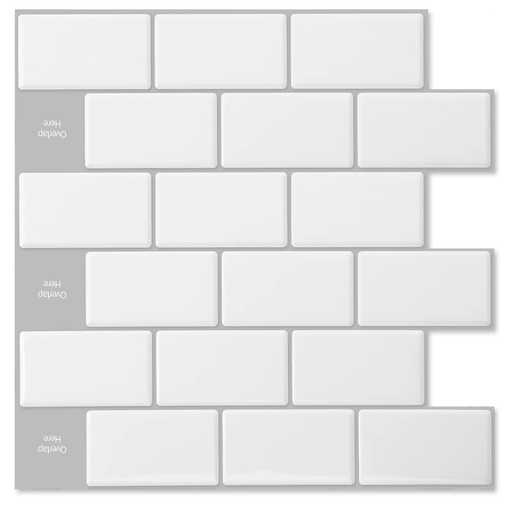
Art3d Peel and Stick Subway Tile, White with Grey Grout (10-Pack)
Why we chose it: Perfect for giving a kitchen backsplash or bathroom wall a fresh look without dust or major construction. Its simple installation makes it a best friend to renters and weekend DIYers.
Its pro-grade adhesive ensures a long-lasting hold, even in wet areas. The thick, 3D gel texture provides a realistic finish and avoids the "just a sticker" look.
Its material is designed to resist heat and prevent yellowing. Installation is a breeze: just peel, stick, and you're done.
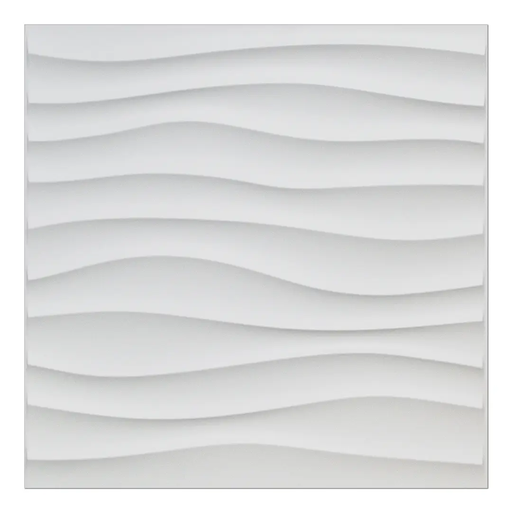
Art3d 3D Textured PVC Wall Panels, White (12-Pack)
Why we chose it: Ideal for creating a signature accent wall in a living room, as a headboard, or even in a retail space. The 3D relief instantly adds character and an architectural touch to any room.
Made from high-density PVC, it's sturdy, impact-resistant, and moisture-proof, eliminating any risk of premature aging. Glue-up installation guarantees a rock-solid bond.
Lightweight yet tough, it's easy to cut to fit around outlets and switches. Its pronounced relief creates a truly spectacular play of light and shadow.
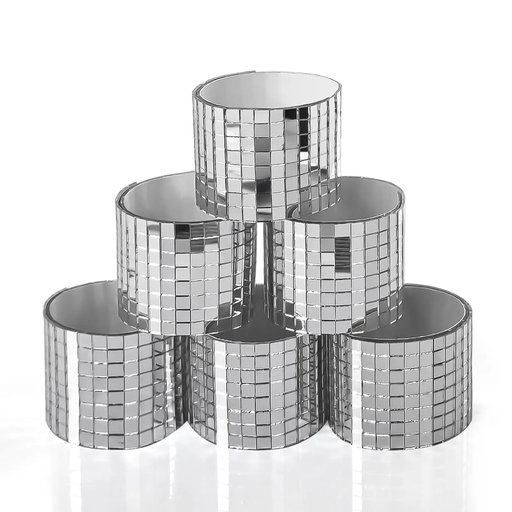
Art3d Self-Adhesive Glass Mirror Mosaic (6 Rolls)
Why we chose it: For those who want to let their creativity run wild. Perfect for *home-staging*, customizing furniture, decorating an alcove, or adding a "disco ball" vibe to a room.
This isn't plastic that looks like a mirror. It's real glass, ensuring a clear, distortion-free reflection. The edges are polished for safe, cut-free handling.
The self-adhesive roll format makes installation incredibly simple and precise. The small tiles can be cut with a utility knife to fit any shape.
Still not convinced? Explore more options
Discover our full selection of products that meet our quality criteria and current safety standards.
Your Questions Answered
1. Can you install an adhesive panel on a wall that isn't smooth?
As a general rule, no. The adhesive requires a flawless surface: clean, dry, and smooth. For a wall with a light texture (like fine plaster or fibreglass wallpaper), light sanding followed by a primer may be sufficient. But for truly uneven walls, skip the adhesive and opt for rigid, glue-up panels.
2. How do you clean a PVC wall panel?
This is one of the biggest advantages of PVC! A soft sponge and a little soapy water (or dish soap) will take care of most stains. Absolutely avoid abrasive powders, scouring pads, and solvents, as they can scratch or damage the surface.
3. Do the colours hold up well against sunlight and over time?
It all depends on the quality. Good PVC or vinyl panels are UV-treated to prevent fading and yellowing. If the wall is in direct sunlight all day, be sure to check the product's technical specifications. For standard exposure, there's no need to worry—most products will retain their original colours for many years.