
Wireless Lavalier Mic Buyer's Guide: Models & Pitfalls
Poor audio can ruin your entire video. Whether you're a content creator, journalist, or professional, choosing a wireless lavalier mic is a critical step. The problem?is that the market is saturated with marketing promises that often lead to unpleasant surprises. This guide breaks down the essential criteria for making the right choice and avoiding the most common traps.
The 3 Pitfalls to Avoid Before Buying a Wireless Lavalier Mic
Navigating the jungle of wireless microphones is no easy task. Too many users end up with unsuitable equipment, falling victim to a few classic mistakes. Here are the key points to keep in mind.
- Misleading Compatibility?: A microphone advertised as "universal" rarely is. Some models require unincluded adapters to work with a smartphone lavalier mic (Lightning for iPhone, USB-C for Android) or a camera (3.5mm TRS/TRRS jack). The result?: extra costs and a major setup hassle.
- Overstated Battery Life?: The battery life advertised by manufacturers is almost always measured in a lab under perfect conditions. In the field, with noise cancellation active or at a long range, the battery drains incredibly fast, cutting off your recording at the worst possible moment.
- Aggressive Noise Cancellation?: A noise-cancelling mic is useful, but overly zealous technology can distort your voice. Instead of just removing background noise, it can warp the voice, creating a metallic or over-compressed sound. The audio then becomes artificial and unpleasant to listen to.
Essential Criteria for an Informed Choice
To ensure you make the right decision, here are the technical specs that truly matter. They will determine the performance and versatility of your gear.
Connectivity and Compatibility
The first step?: check the ports on your primary device (smartphone, camera, computer).
- USB-C and Lightning?: Ideal for a direct, digital connection to modern smartphones and tablets. It's the ultimate plug-and-play solution for a mobile vlogging mic.
- 3.5mm Jack (TRS/TRRS)?: Essential for compatibility with the vast majority of DSLR and mirrorless cameras. Make sure the correct cable is included.
- USB-A/USB-C for Computers?: A USB mic for streaming plugs directly into a PC or Mac. This guarantees a dead-simple setup and stable audio quality for your live streams or voice-overs.
Battery Life and Charging System
A good wireless mic kit must have the stamina to keep up with your recording sessions. Pay close attention to?:
- Transmitter Battery Life?: Aim for at least 5 to 7 hours of continuous recording.
- Charging Case?: A carrying case that simultaneously charges the transmitters and receiver is a game-changer. It extends the total battery life to over 15 or 20 hours and simplifies your gear management.
- Charging While in Use?: The ability to charge the components while in use (pass-through charging) can save a long session, like an interview or a conference.
Audio Capture Quality
Beyond connectivity, audio capture quality is, of course, the main event.
- Adjustable Noise Cancellation?: Favour models that offer multiple levels of noise cancellation. This allows you to adapt the audio processing to the environment?: preserve the warmth of your voice in a quiet space, and effectively filter out wind or crowd noise outdoors.
- Backup Recording?: Some high-end models include a built-in digital voice recorder function directly in the transmitter. This is a lifesaver for your recordings?: even if the wireless link drops, your audio is saved to internal memory. 32-bit float recording, for example, offers such a wide dynamic range that it makes the risk of clipping virtually zero.
Top Wireless Microphone Picks
Instead of an endless list, here are our targeted recommendations by user profile, chosen for their real-world relevance and effectiveness.
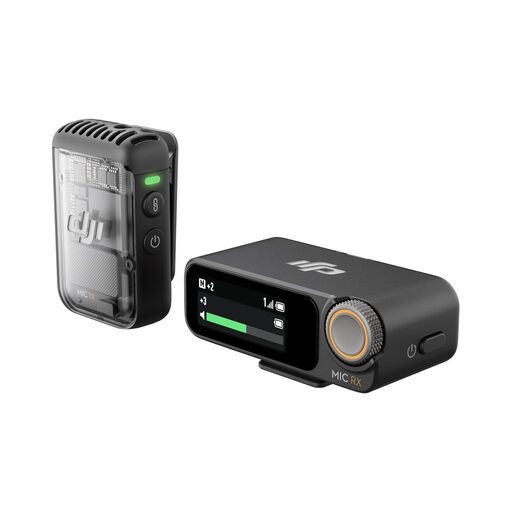
DJI Mic 2 (1 TX + 1 RX)
Why it's the right choice? Perfect for creators who shoot outdoors. Its reliability, audio quality, and portability make it a formidable workhorse for travel vlogs, interviews, or field reporting.
It sidesteps the poor audio trap with its intelligent noise cancelling and internal 32-bit float recording, a true safety net against the unexpected.
The internal backup recording, so you never lose a take. Its broad compatibility (smartphones, cameras) thanks to the included adapters.
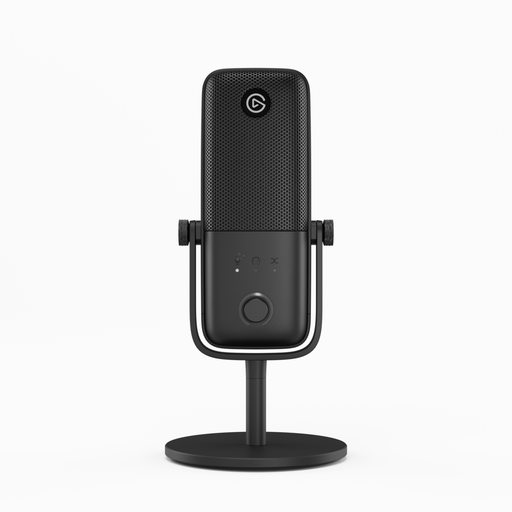
Elgato Wave:3 MK.2 - USB Audio Microphone
Why it's the right choice? Designed for the desktop, this wired USB mic is the gold standard for streaming and podcasting. It focuses entirely on vocal quality and software integration for total control over your audio mix.
Being wired, it automatically eliminates the pitfalls of battery life and interference. Its Clipguard 2.0 technology prevents audio clipping, a common problem during volume peaks on a live stream.
The anti-clipping Clipguard 2.0 technology. Deep integration with the Wave Link mixing software for pro-level audio control.
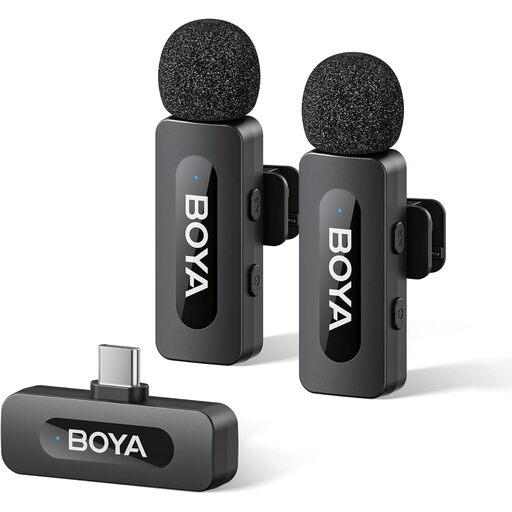
BOYA BY-V20 V2.0 USB-C Wireless Microphone
Why it's the right choice? The simple and accessible solution to get started. This kit plugs directly into the USB-C port of an Android smartphone, with zero configuration needed. The two-transmitter pack is ideal for interviews.
It tackles the compatibility trap head-on: it's designed specifically for USB-C devices. No adapter needed—it's true *plug-and-play*.
Its disarmingly simple ease of use. The included two-transmitter kit offers excellent value for starting out with interviews or two-person videos.
Looking for other options?
Discover our complete and up-to-date selection of products that meet our selection criteria and current safety standards.
Frequently Asked Questions (FAQ)
1. Is a wireless lavalier mic compatible with any smartphone? No, it all depends on your smartphone's port. Modern models use USB-C (Android) or Lightning (iPhone). Always check that the kit's receiver has the right connector or that a certified adapter is included. Be wary of unofficial adapters, as they are often a source of problems.
2. What's the difference between a wireless lavalier mic and a desktop USB mic? The wireless lavalier mic is designed for mobility. It clips onto your clothing, allowing you to move freely away from the camera while maintaining a close, clear audio capture. It's the go-to tool for vlogging, interviews, and presentations. In contrast, a USB mic for streaming is a wired desktop microphone that often delivers superior audio quality in a controlled environment (like a quiet room). It excels at podcasting, video game streaming, or voice-overs.
3. How long does the battery of a wireless mic kit really last? The actual battery life depends on your usage. Manufacturers advertise a maximum duration, but you can expect a 20-30% drop with noise cancellation active, at long distances, or in cold weather. This is why a kit with a charging case is almost essential: it recharges your gear between takes and ensures you can last a full day of shooting without stress.